In this article
LiFePO4 batteries for solar energy storage should be selected by usable energy, discharge power, inverter compatibility and installation conditions. Chemistry identifies the cell type; it does not establish how long a battery will run your loads or whether it can communicate with your inverter.
This guide is for buyers comparing home solar storage and small project configurations. It combines CHANGYUAN’s published battery options with an illustrative sizing calculation. The calculation is a planning example, not a performance guarantee for a particular model.
What to check before comparing battery prices
LiFePO4, also called LFP or lithium iron phosphate, is a lithium-ion battery chemistry. For procurement, move from the chemistry label to the complete battery system: cells, battery management system, enclosure, protective devices and the approved inverter interface.
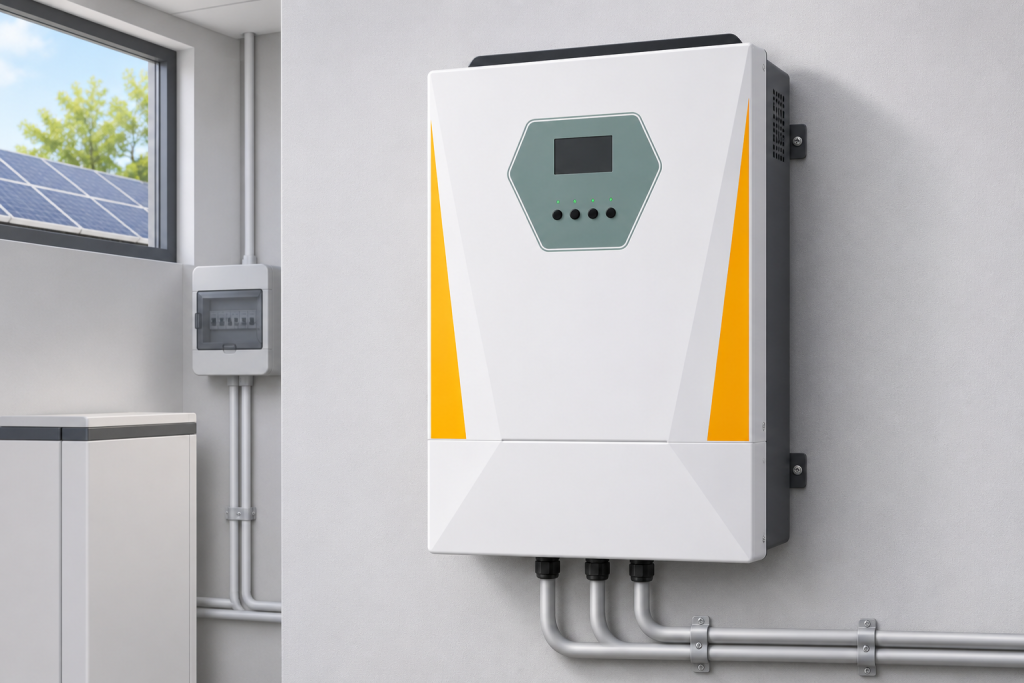
Start with the job the battery must perform. Moving daytime solar generation into the evening requires an energy budget. Supplying an essential-load panel during an outage also requires adequate output power and an inverter system that supports the required backup arrangement. A battery alone does not create backup power.
| Check | Ask the supplier for | Why it matters |
|---|---|---|
| Energy | Nominal and usable kWh at the stated operating conditions | Determines the energy available between charging periods |
| Power | Continuous current, peak current and permitted peak duration | Determines whether simultaneous loads and starting demand can be served |
| Inverter pairing | Approved inverter model, firmware and BMS protocol | A connector or voltage label does not establish compatibility |
| Environment | Charging, discharging and storage temperature limits | Different operating limits can apply to each mode |
| Installation | Weight, mounting drawing, clearances and enclosure version | Determines the permitted installation arrangement |
| Lifetime evidence | Cycle-test conditions, capacity endpoint and written warranty | Makes competing lifetime claims comparable |
Calculate usable energy before choosing nominal capacity
Nominal battery energy can be estimated as voltage multiplied by ampere-hours, divided by 1,000. A 51.2V, 100Ah configuration therefore represents 5.12kWh of nominal energy. This electrical calculation does not establish its permitted output current, usable energy window or installation approval.
For an early AC-load estimate, use:
Required nominal battery kWh = load energy in kWh ÷ (usable discharge fraction × conversion efficiency).
If a supplier already states usable capacity, do not apply the same discharge allowance a second time. Check which measurement point and operating limits the usable figure includes.
Worked example: a 6kWh evening load
Assume the loads need 6kWh between charging periods. For illustration only, assume a usable discharge fraction of 90% and battery-to-AC conversion efficiency of 92%. Neither percentage is a declared CHANGYUAN product rating.
| Item | Calculation | Result |
|---|---|---|
| Minimum nominal energy | 6 ÷ (0.90 × 0.92) | 7.25kWh, rounded upward |
| One 5.12kWh module | 5.12 × 0.90 × 0.92 | 4.24kWh estimated AC energy |
| Two 5.12kWh modules | 10.24 × 0.90 × 0.92 | 8.48kWh estimated AC energy |
Under these assumptions, one module is insufficient on energy, while two modules provide a candidate energy configuration. The result still needs checks for discharge power, temperature, ageing allowance, auxiliary consumption and approved module interconnection. It also assumes enough charging energy is available before the next discharge period.
Read our guide to kW, kWh and battery duration to separate the power and energy checks.
Check discharge power and inverter communication separately
A large kWh rating does not prove that a battery can supply a large instantaneous load. Compare the battery’s continuous discharge limit with the inverter’s battery-side demand, then examine any short-duration surge requirement. Use the minimum operating voltage and manufacturer limits in the detailed electrical design.
CHANGYUAN’s wall-mounted and stackable product families list CAN and RS485 interfaces. These are communication interfaces, not universal compatibility promises. Confirm the protocol, firmware, voltage window and current limits for the exact battery-inverter combination. The Victron and BSLBATT compatibility guide is a useful external example of how model pairing and minimum battery configuration are documented; it is not evidence of CHANGYUAN compatibility with that equipment.
Compare CHANGYUAN battery formats for the site
The following values come from CHANGYUAN’s published product pages, checked on November 26, 2026. They describe listed options, not a claim that every version has the same current limits, enclosure rating or warranty.
| Format | Published energy options | Selection point |
|---|---|---|
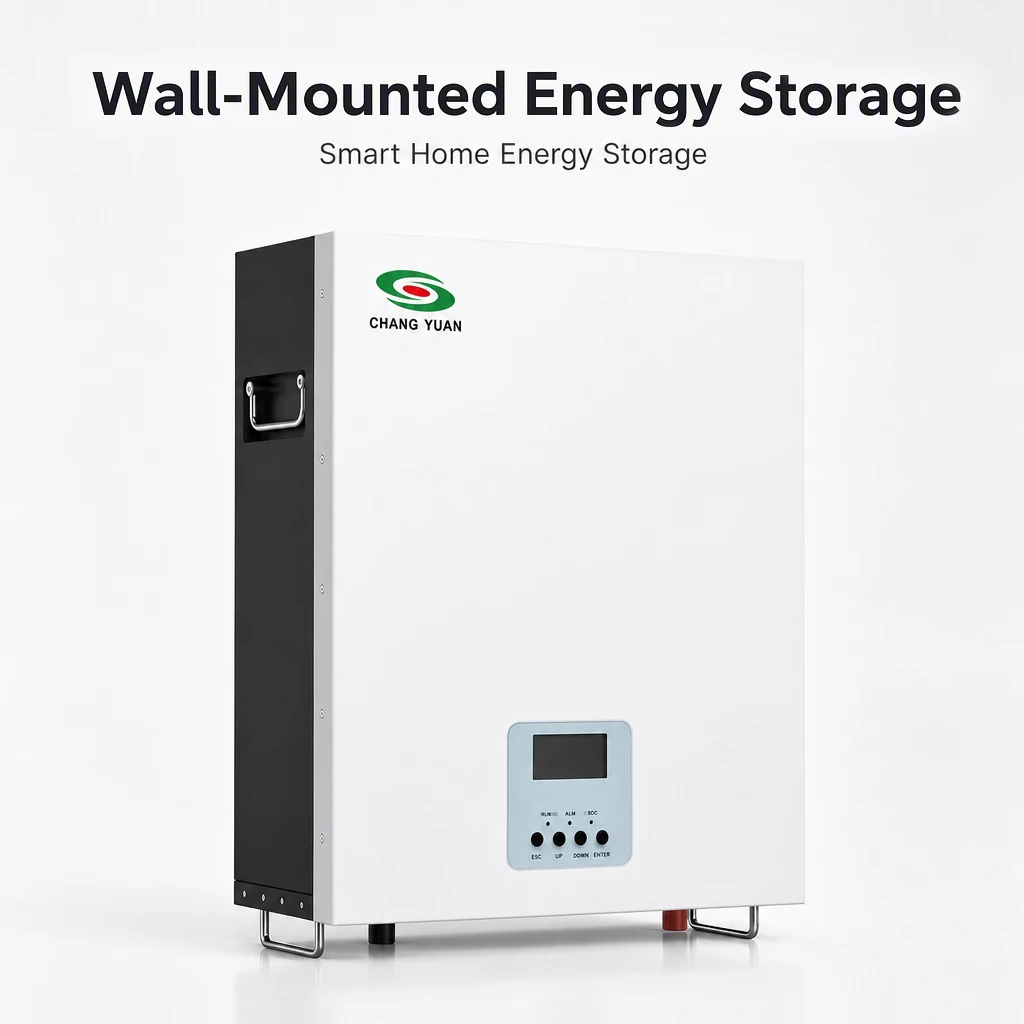
| Wall-mounted LiFePO4 | 5.12–16kWh family; nominal 51.2V | Verify supporting wall, weight and the exact enclosure version |
| Stackable LiFePO4 | 5.12, 10.24 or 15.36kWh listed configurations; nominal 51.2V | Confirm approved module count, interconnection and BMS coordination |
| Floor-standing LiFePO4 | 16.08kWh CYJC-16314Z configuration | Check floor space, access and selected model documentation |
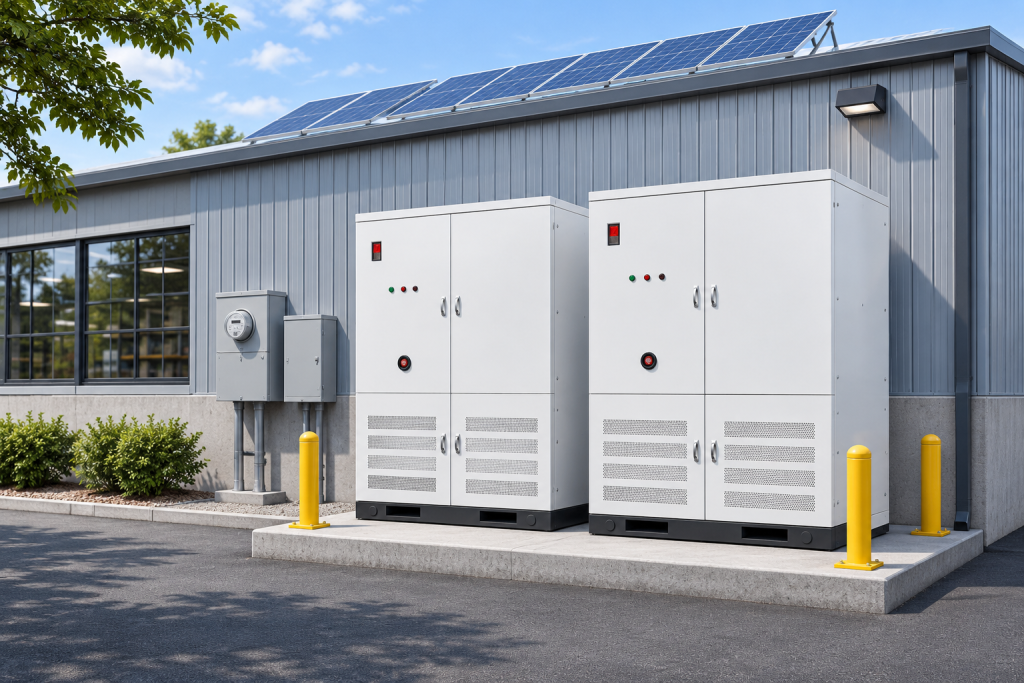
Choose the format after checking the site. Wall mounting saves floor area but introduces structural and handling requirements. A modular format provides defined capacity options; it does not authorize unlimited expansion or mixing different batteries.
Compare lifetime evidence on the same basis
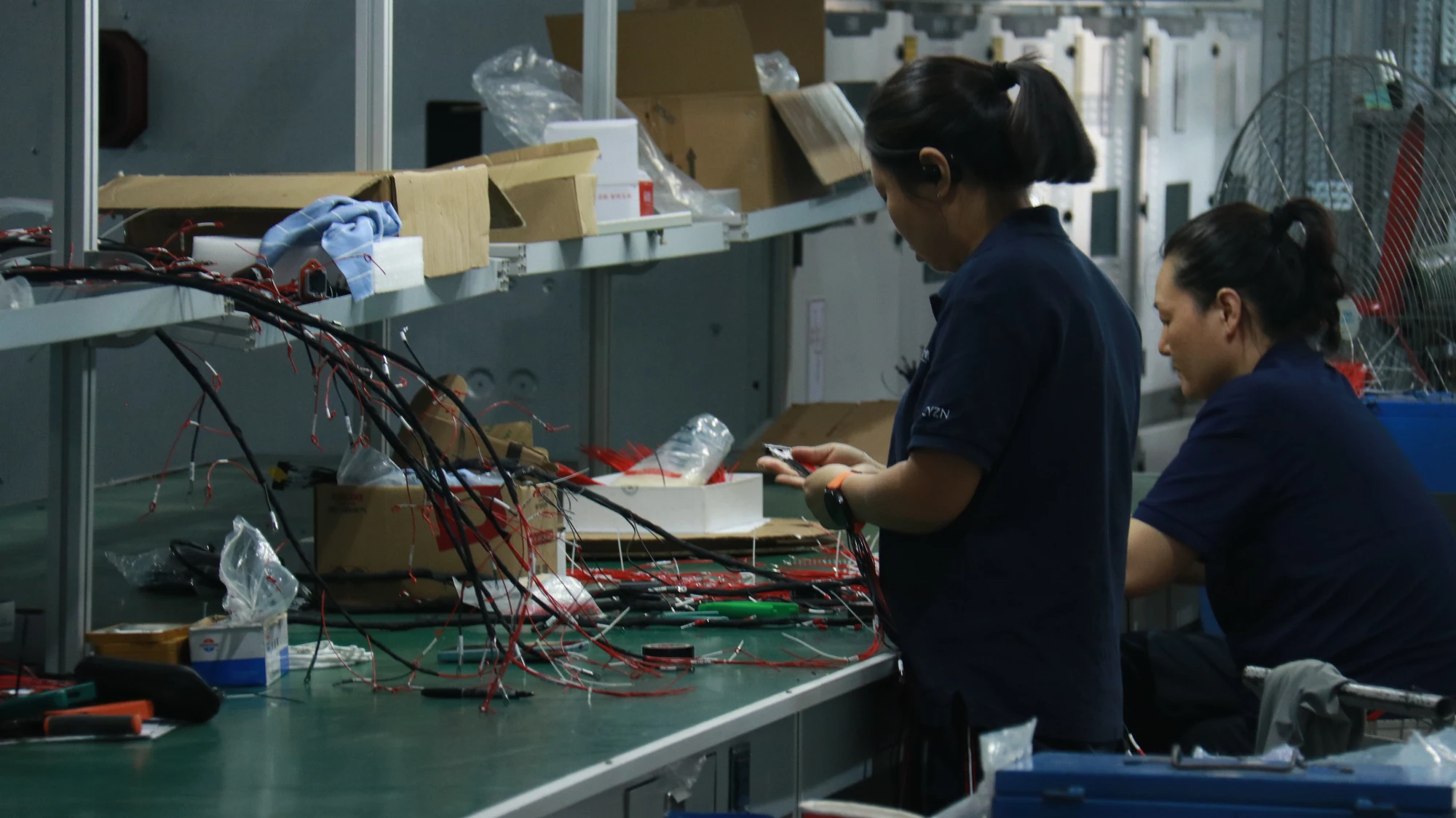
A cycle-life figure is incomplete without the depth of discharge, temperature, charge/discharge rate and remaining-capacity threshold used in the test. Warranty duration is a separate commercial condition. Ask whether a claim applies to cells, a battery pack or the complete installed system.
For an example of transparent reporting, Victron’s Lithium Smart technical data lists different cycle counts for different discharge depths and states a remaining-capacity endpoint. Those figures belong to the named Victron products and should not be applied to CHANGYUAN batteries.
We explain these distinctions in How Long Do Solar Lithium Batteries Last? The project-specific cycle-life specification and warranty should be confirmed in writing before purchase.
Frequently asked questions
Is a 5.12kWh battery enough for a house?
It depends on the loads and required operating period. Calculate the energy needed by the selected circuits and check simultaneous power. The example above shows why 5.12kWh of nominal energy is not the same as 5.12kWh delivered to AC loads.
Does a 51.2V battery work with every 48V inverter?
No. Check the full voltage window, charge and discharge limits, approved communication protocol and supported firmware. A nominal voltage description alone is insufficient.
Can I add another module later?
Only within the selected system’s approved expansion procedure. Confirm permitted module count, hardware and firmware matching, protection and the required commissioning checks before changing an installed system.
Prepare a useful battery selection request
Send the project country, daily load energy, maximum simultaneous load, backup duration, existing inverter model and installation conditions. Include the required enclosure version and any future expansion plan. Use our solar and storage procurement checklist, then request a model-specific configuration.
Discuss your application.
Share your equipment scope, electrical supply and operating priorities.
Prepare an enquiry