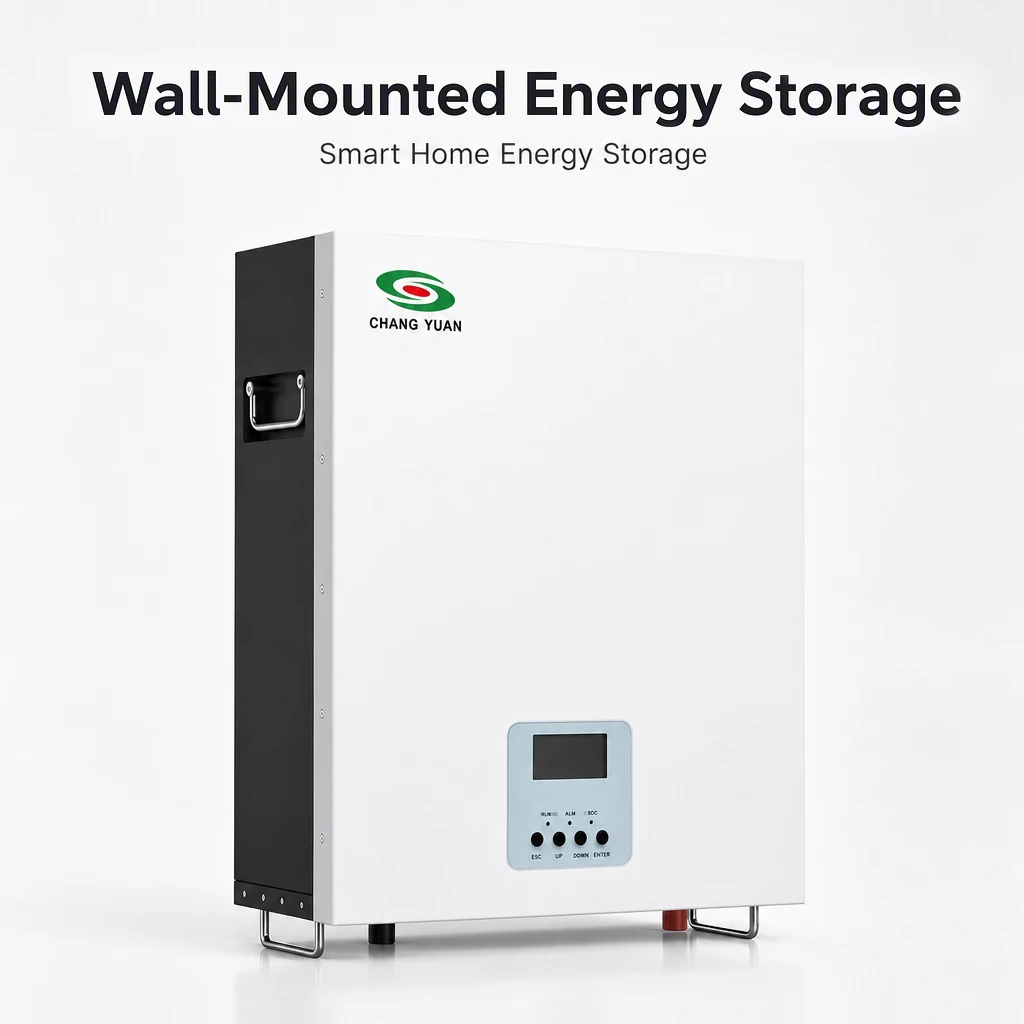
Wall-Mounted LiFePO4 Batteries for Home Solar Storage
Space-conscious 51.2V LFP battery storage with smart BMS and CAN/RS485 interfaces. Compare exact capacity options within the 5.12–16kWh family and confirm the compatible inverter.
Explore detailsChoose a product type below. Available power, capacity and installation options are grouped on its detail page.
4 product types

Space-conscious 51.2V LFP battery storage with smart BMS and CAN/RS485 interfaces. Compare exact capacity options within the 5.12–16kWh family and confirm the compatible inverter.
Explore details
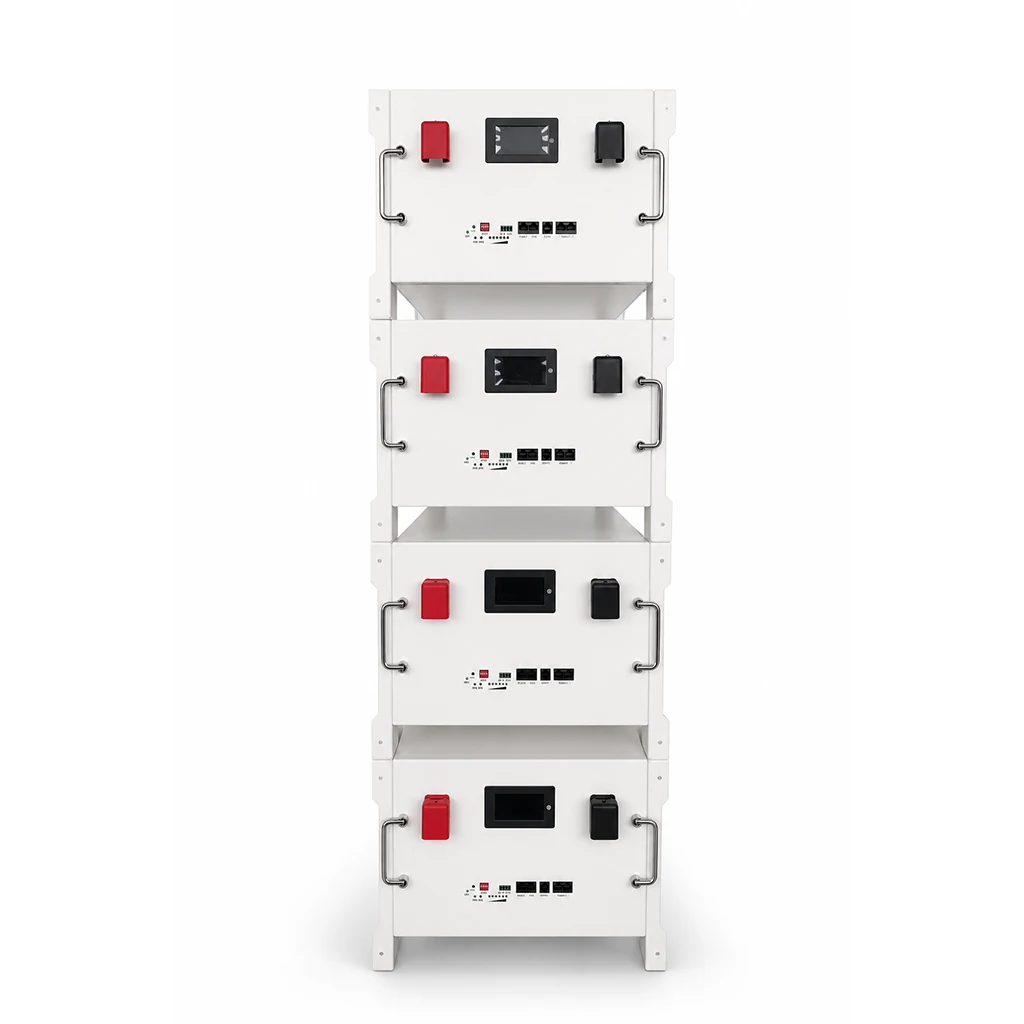
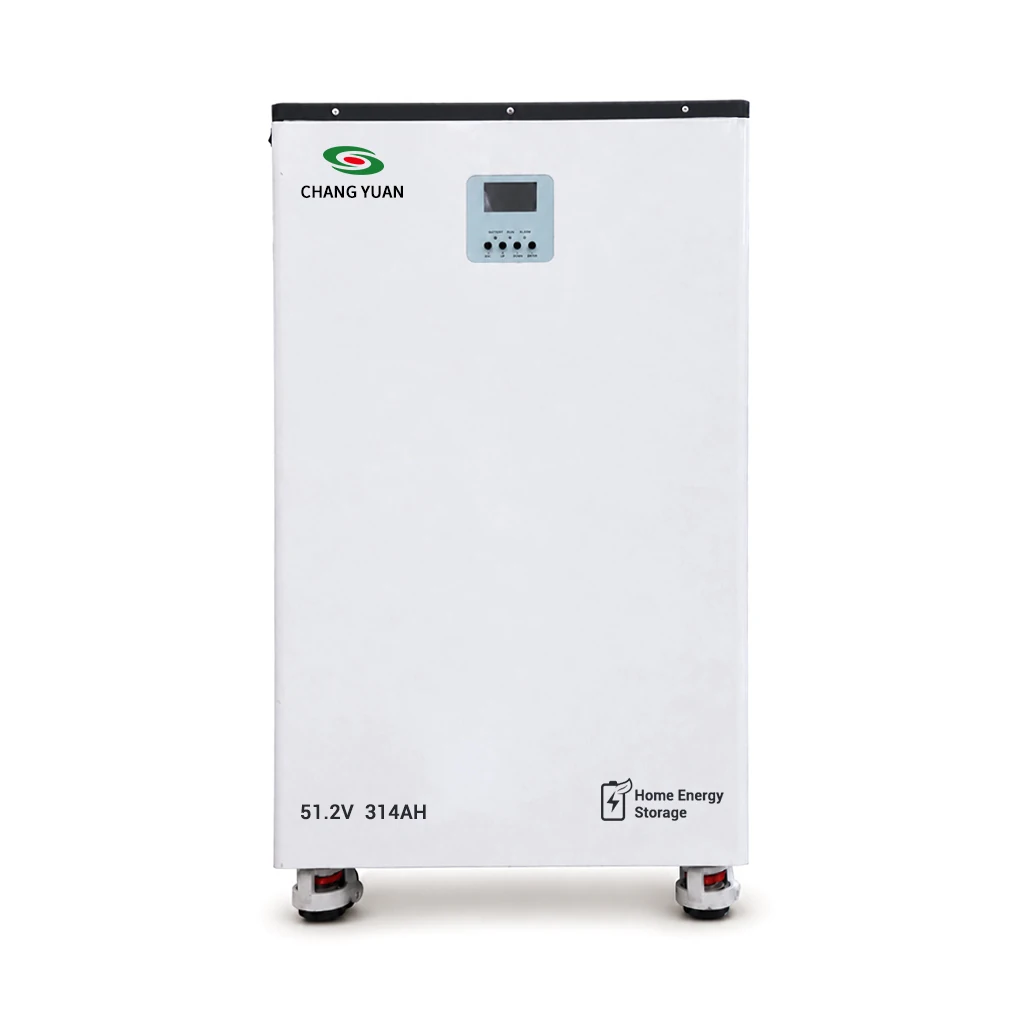
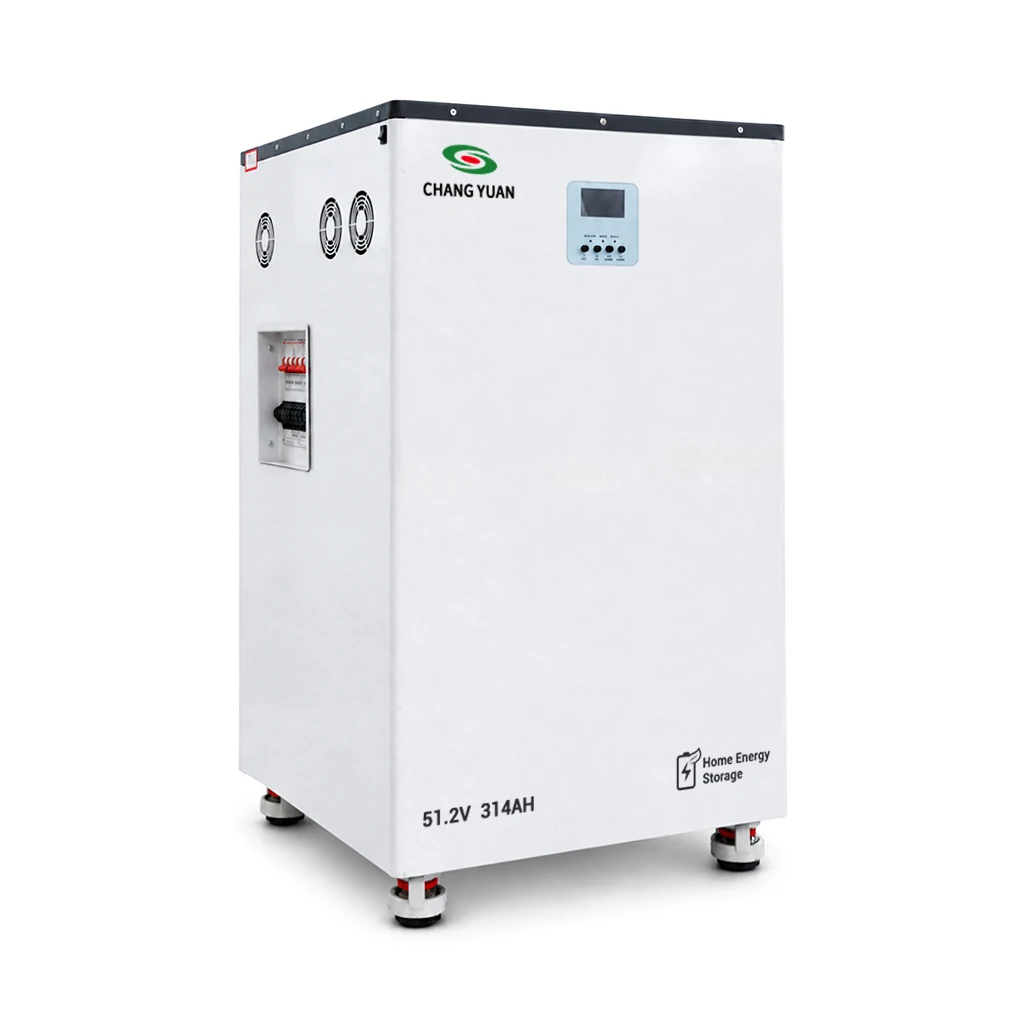
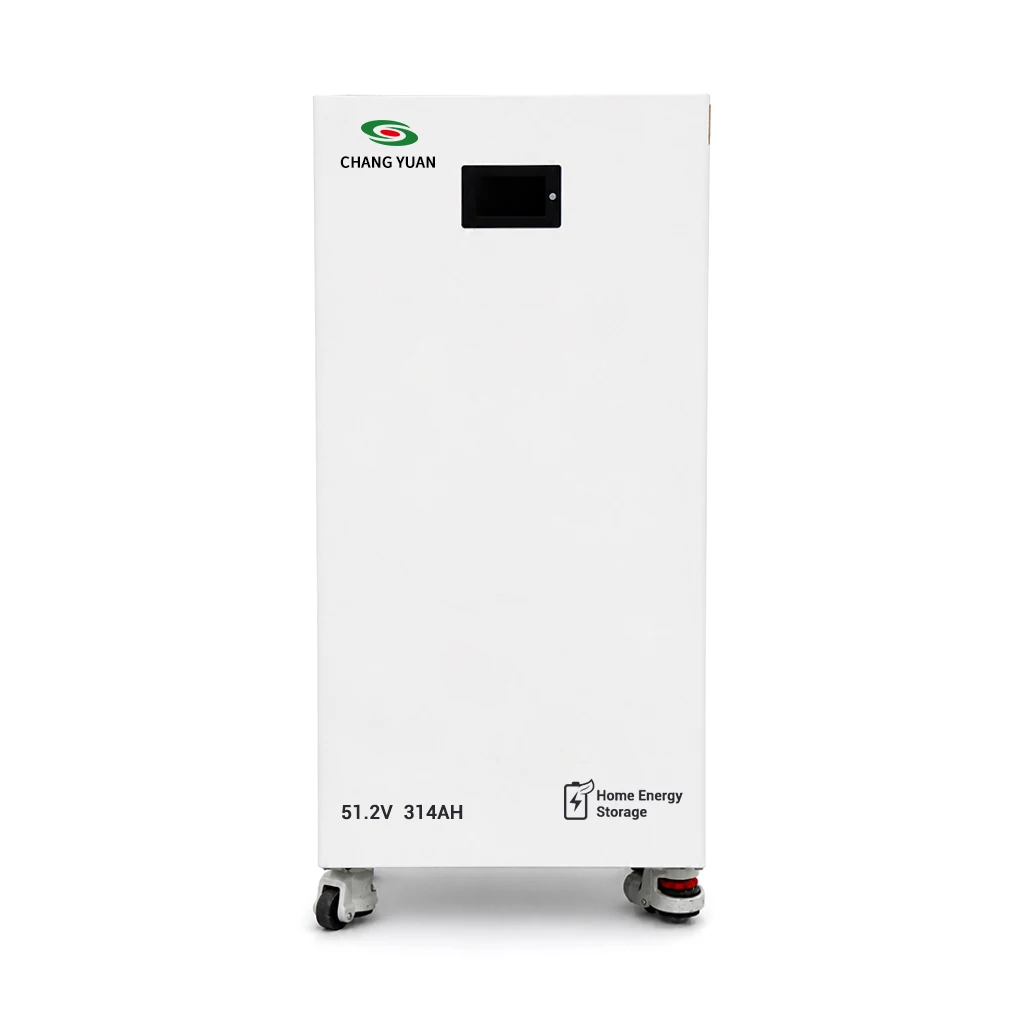
Ground-supported home battery storage with a defined 16.08kWh CYJC-16314Z configuration and additional model-dependent 5–32kWh options. Compare energy, power and inverter compatibility together.
Explore details
Compare one-, two- and three-module LFP storage configurations at 5.12, 10.24 and 15.36kWh. Confirm the permitted stack arrangement, battery controls and inverter pairing for the system.
Explore details
Review a coordinated home storage configuration combining a 16.08kWh LFP battery and 6.2kW inverter. Match the PV array, AC loads and required operating modes to the selected equipment package.
Explore detailsAssess how generation and household use overlap before estimating storage needs.
List the circuits to be supported, starting loads and target backup duration.
Coordinate battery, inverter, PV and protection as a compatible configuration.
Prepare a model-specific review around your application, electrical interfaces and destination requirements.
Review daily kWh use, seasonal variation and existing solar generation.
Check continuous and surge output separately from battery capacity.
Confirm battery voltage, BMS, inverter, protection and switching requirements.
Confirm location, clearance, temperature, maintenance access and local requirements.
Duration depends on usable capacity, load, conversion losses and reserve settings. A nameplate figure alone is not a backup guarantee.
Only a system designed for the intended islanded or backup operation can do so. Confirm compatible equipment and protected circuits.
Compatibility and AC/DC coupling must be reviewed. Do not assume an existing grid-tied inverter supports batteries.