Commercial & Industrial BESS
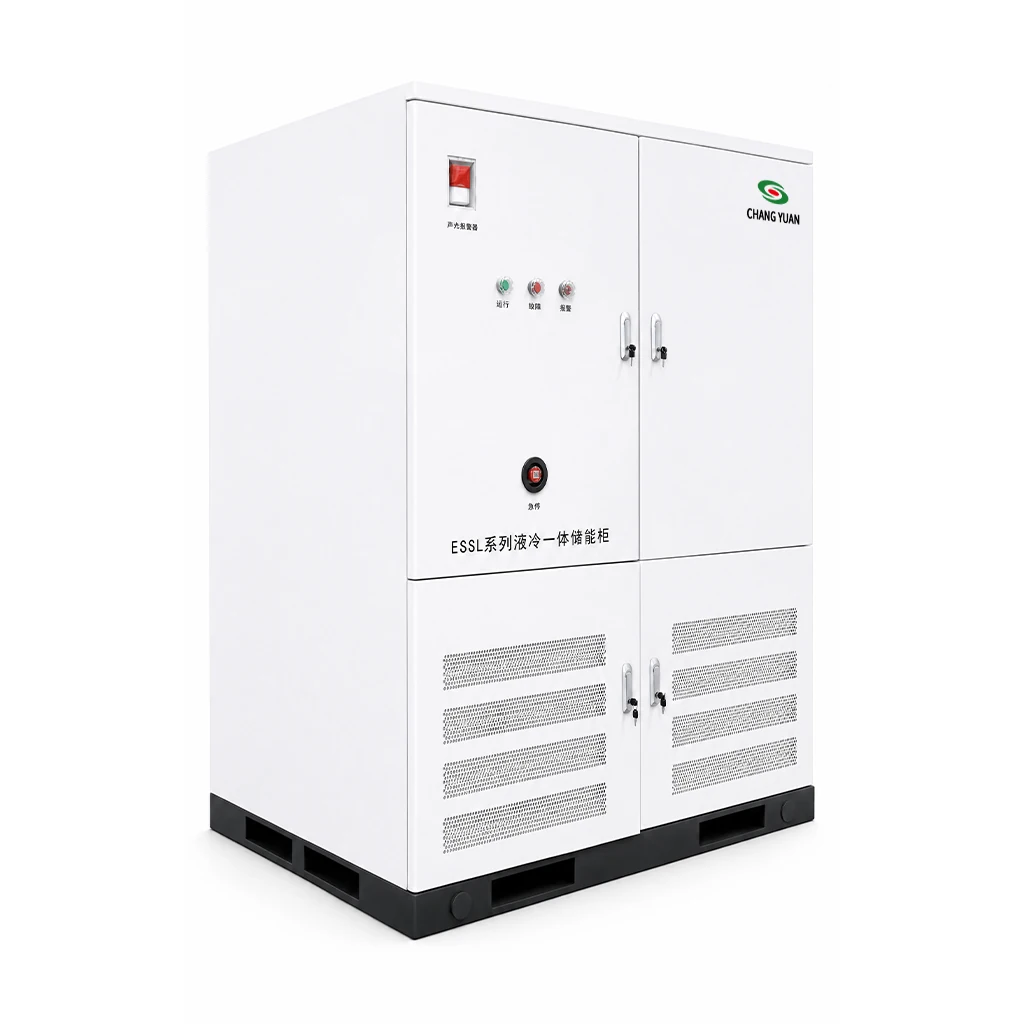
Compare liquid-cooled battery cabinets and cold-chain solar-storage configurations. Start with load data, required power and stored energy, then define the controls and site connection.
Explore categorySource solar panels, battery storage, EV chargers and power distribution equipment for commercial sites, vehicle fleets and homes. Compare model specifications and coordinate the equipment around your project.
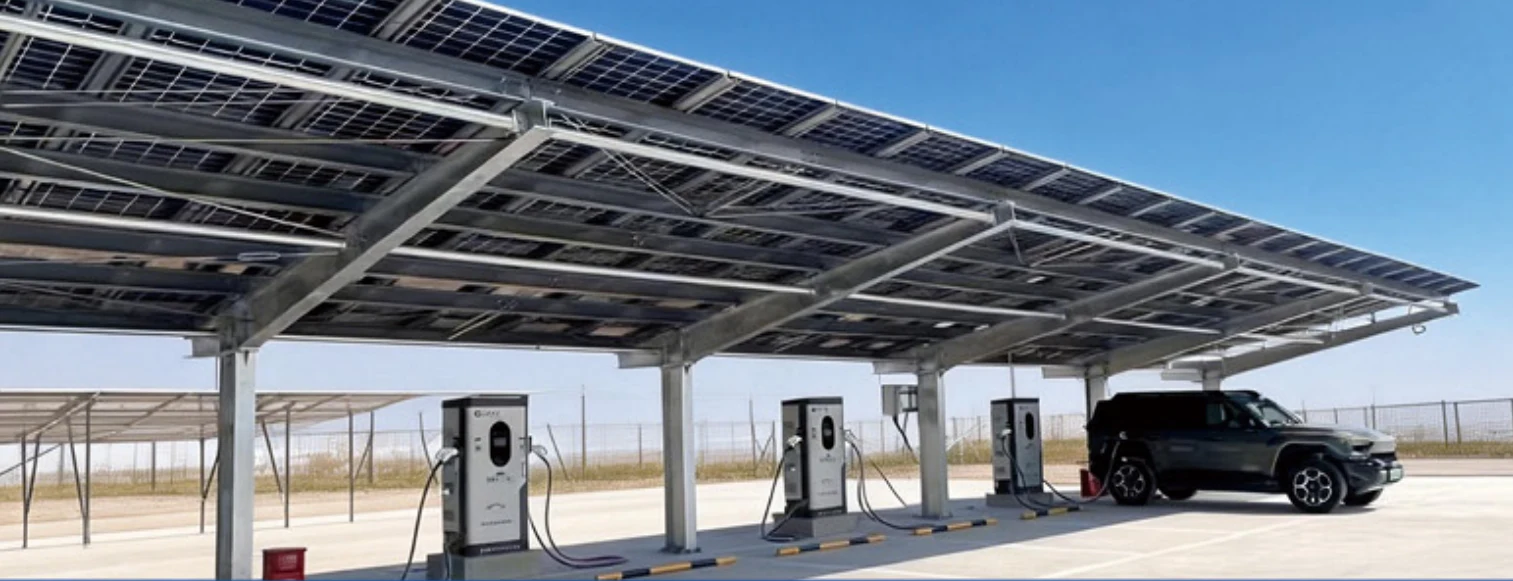
SOLAR + STORAGE + CHARGING ↗02 / STORE
Battery energy storage ↗03 / CHARGE
EV charging ↗Explore the models, compare specifications and build a configuration around your site.
View the complete portfolio ↗
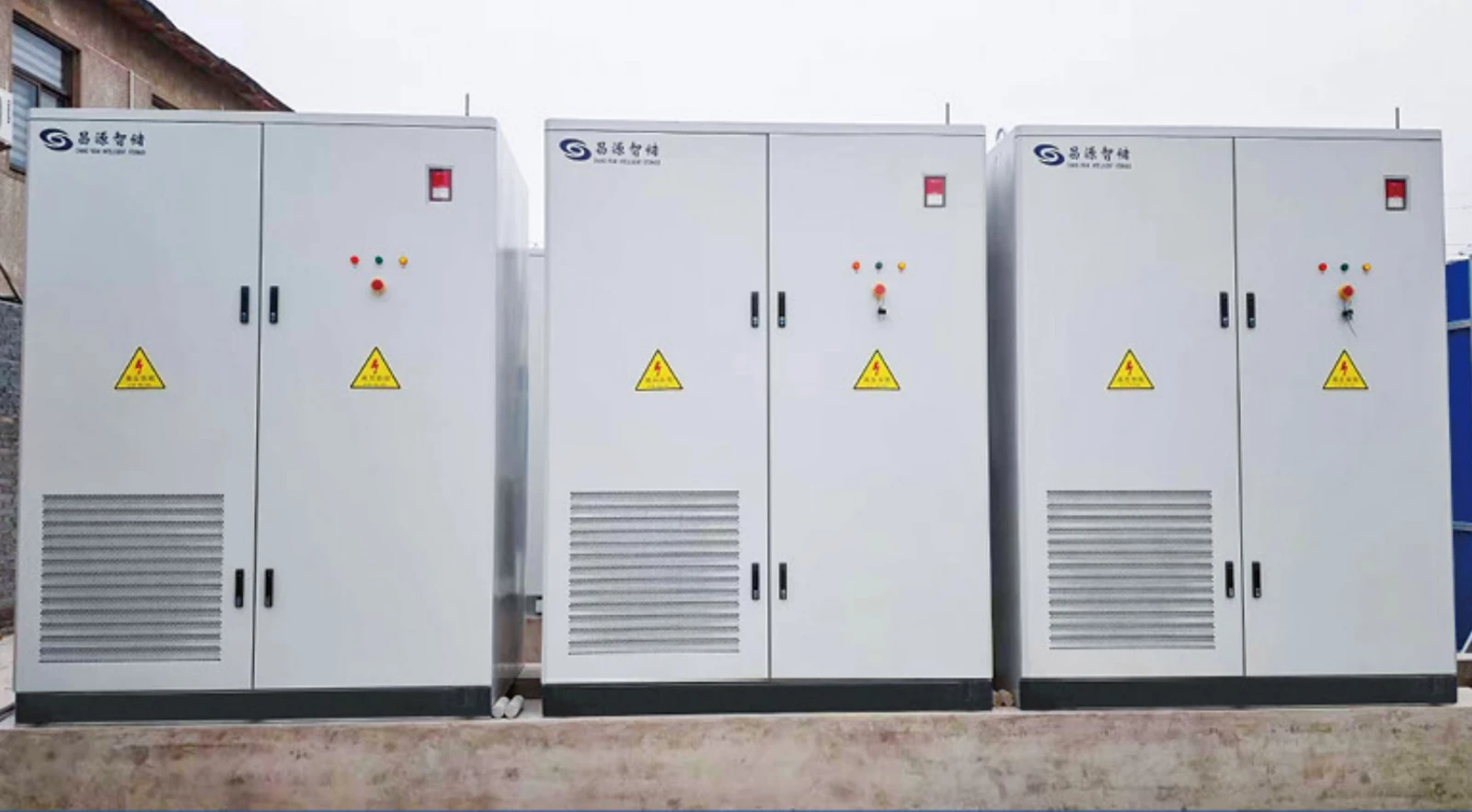
Compare liquid-cooled battery cabinets and cold-chain solar-storage configurations. Start with load data, required power and stored energy, then define the controls and site connection.
Explore category
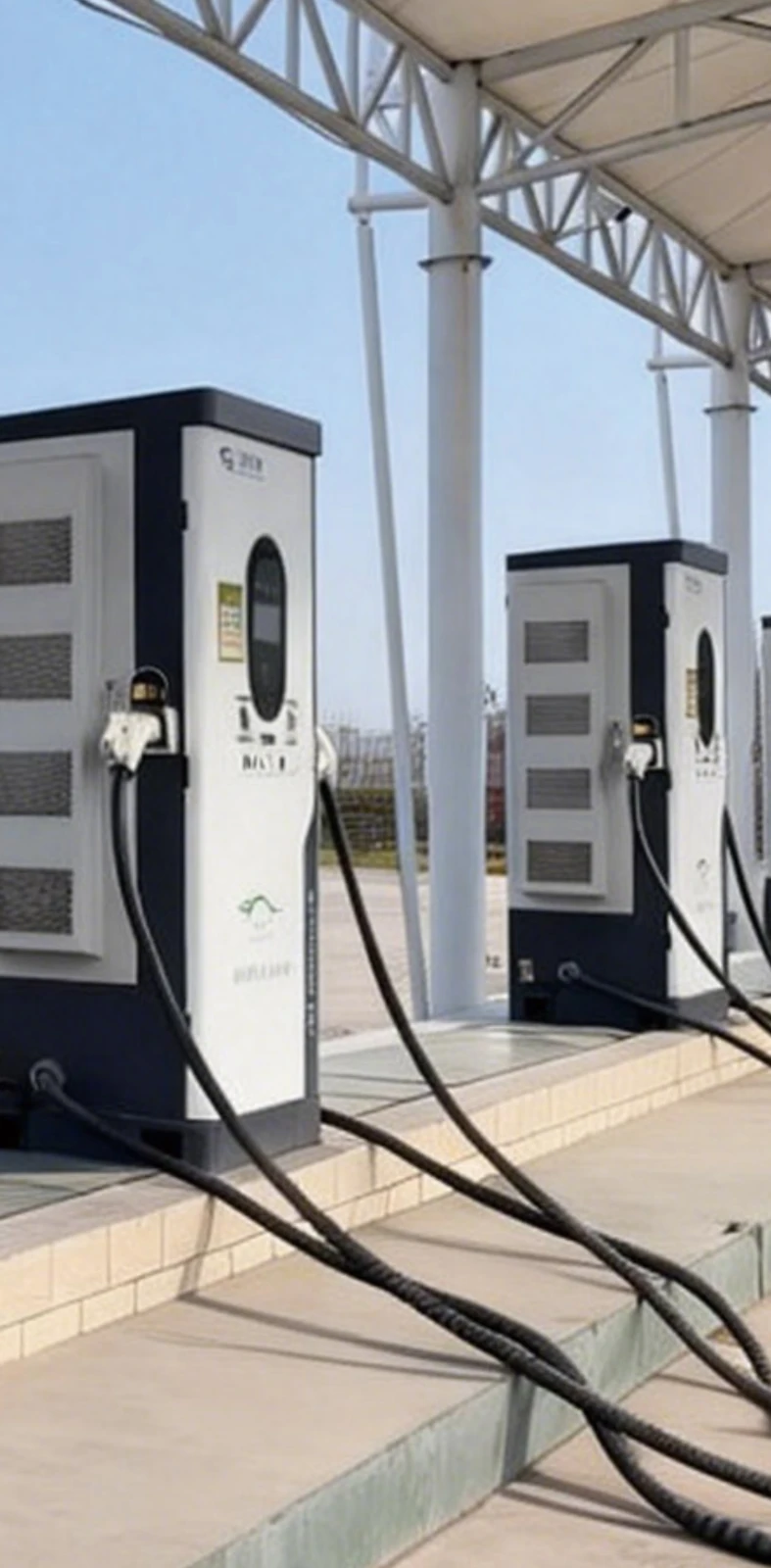
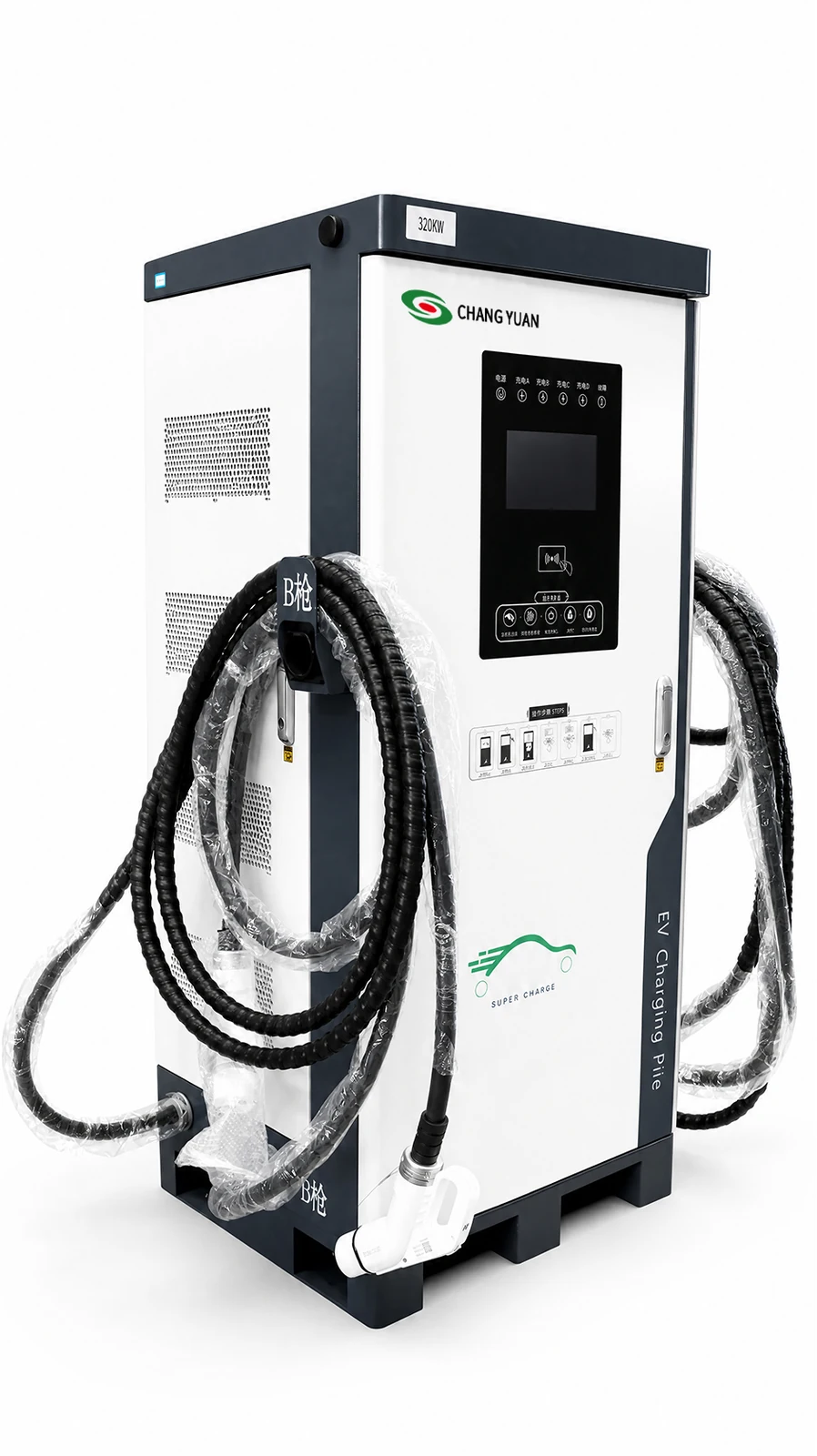
Select AC parking chargers, dual-output DC stations, electric truck chargers or split charging systems. Match vehicle interfaces, charging windows and simultaneous demand to the available site supply.
Explore category
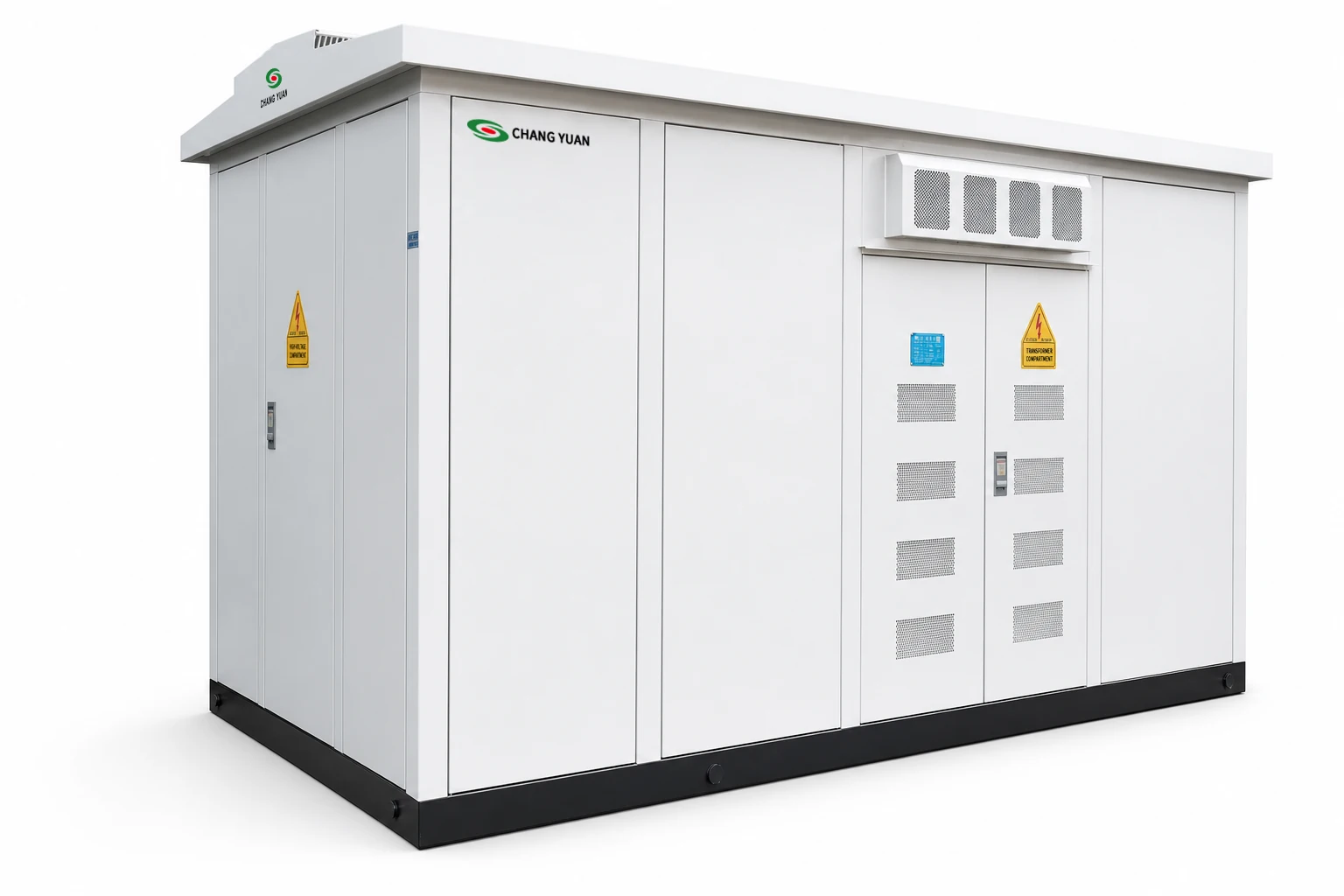
Coordinate transformer capacity, medium-voltage connection and low-voltage distribution. Review the CY-12/0.4 series and 100–2500kVA range against your utility requirements and load schedule.
Explore category
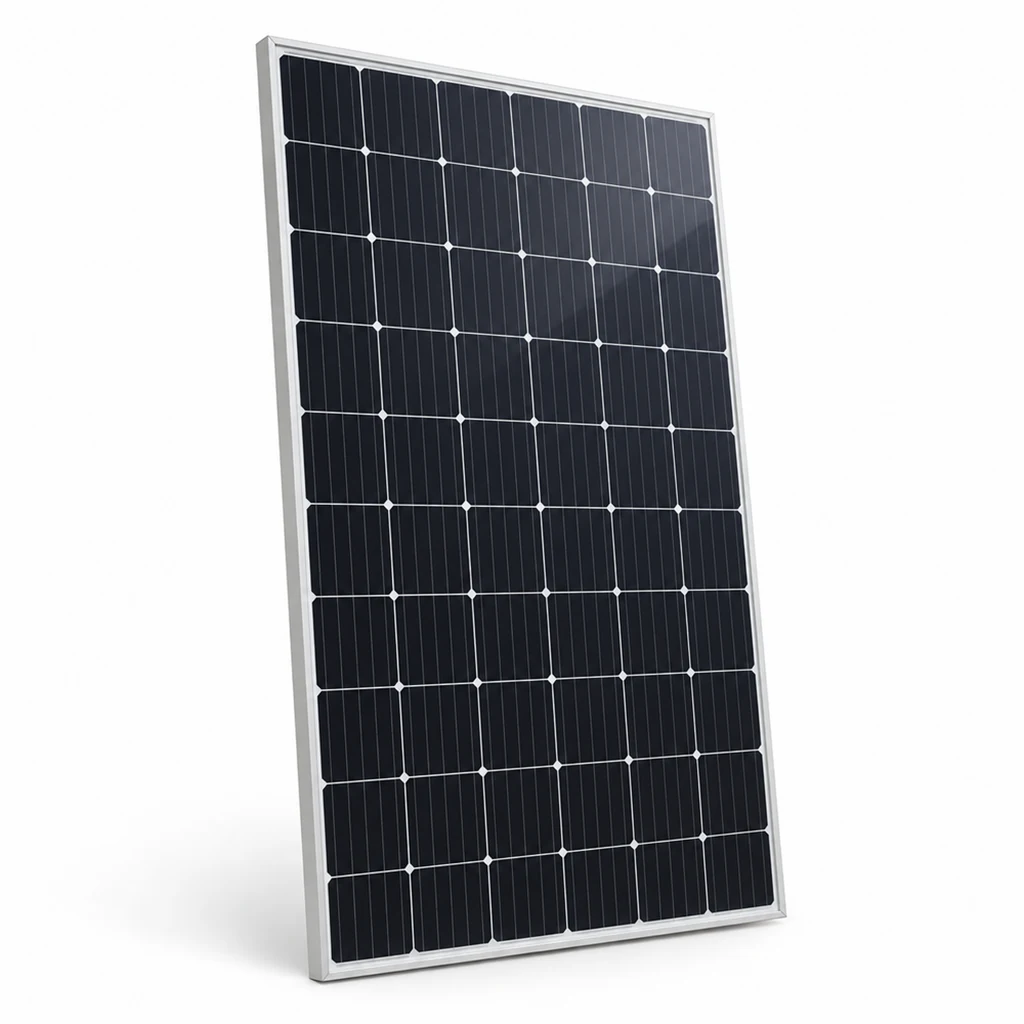
Explore N-type TOPCon solar panels within the 465–745W family. Select the exact module code, electrical data and mounting arrangement for your roof, ground-mounted array or solar carport.
Explore category
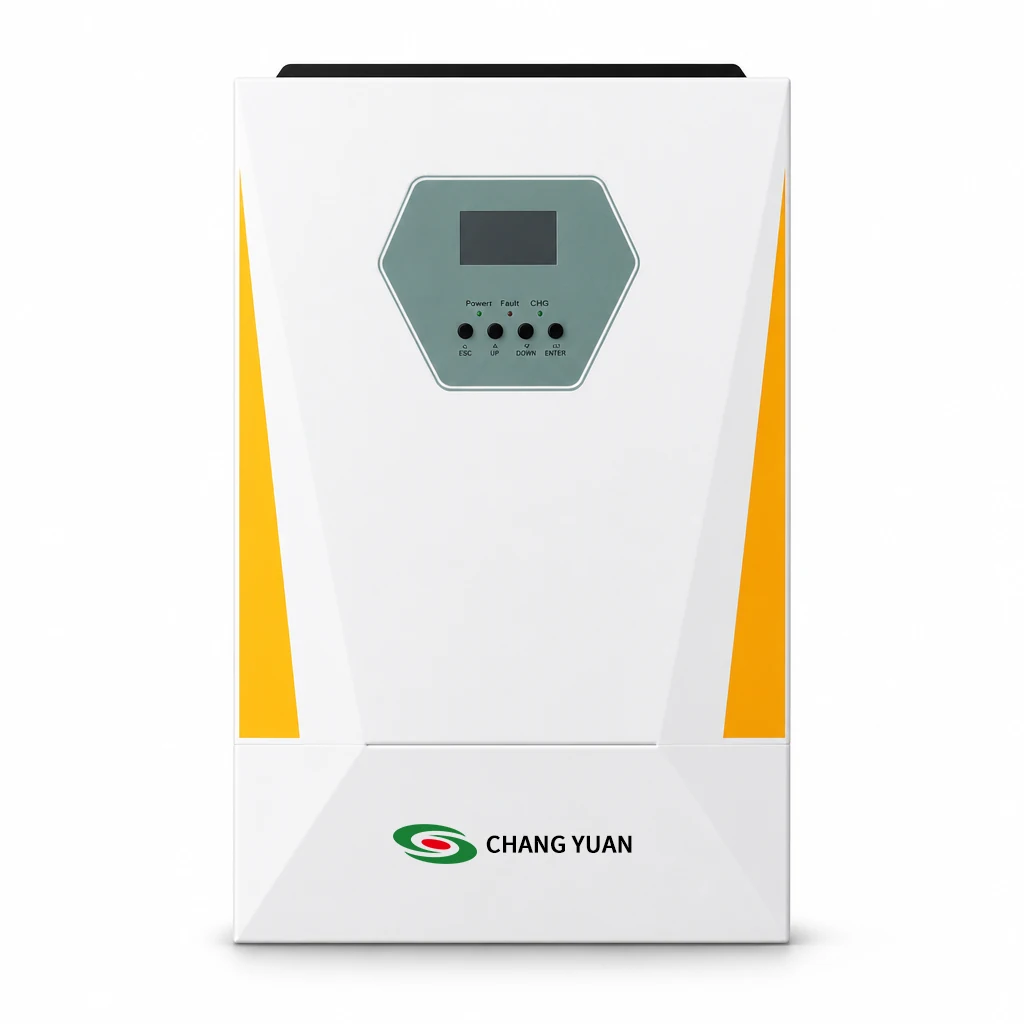
Review the 6.2kW hybrid solar inverter with a 48V battery interface and dual MPPT. Confirm PV input limits, battery communication and the required AC operating modes for the selected version.
Explore category
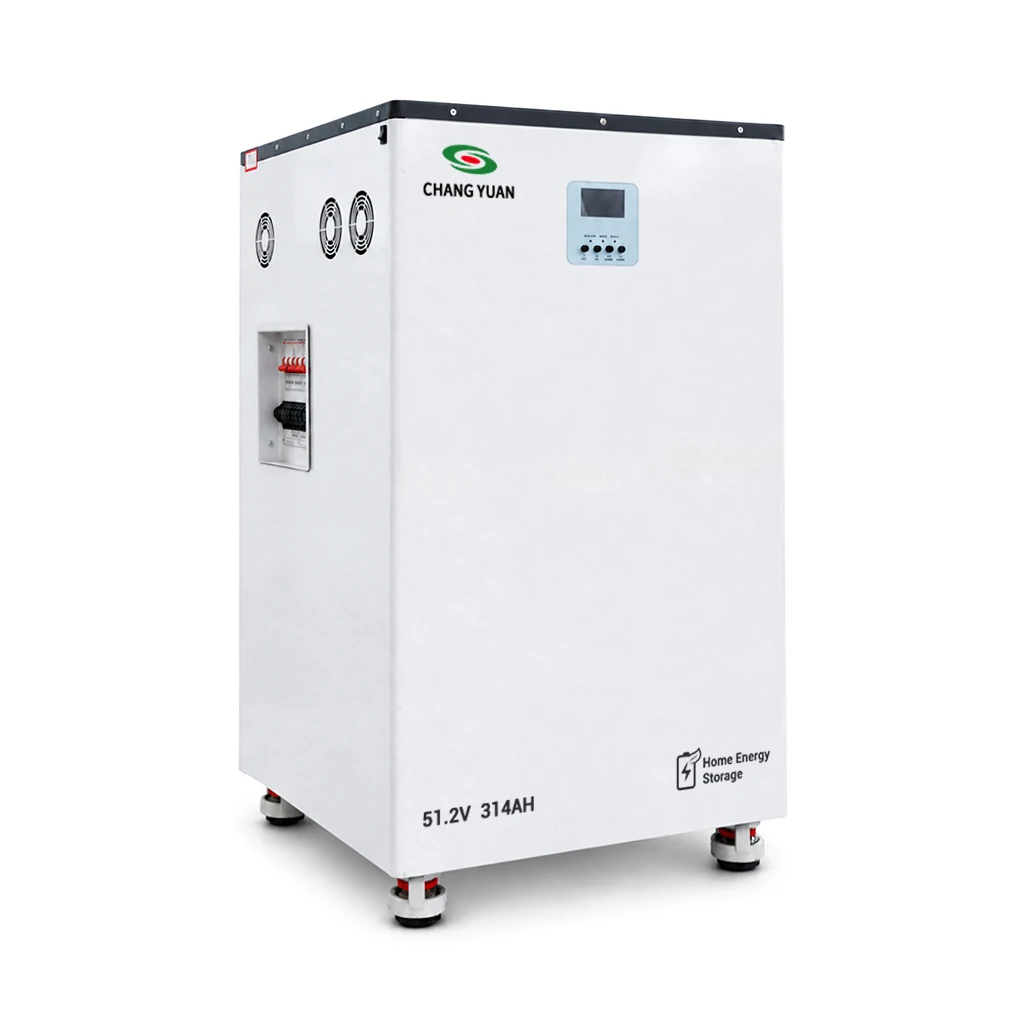
Compare wall-mounted, floor-standing and stackable LiFePO4 batteries alongside the residential all-in-one package. Select battery energy, output capability and a compatible inverter as one system.
Explore category
Commercial facilities. Electric fleets. Homes.
Different demands, coordinated equipment.
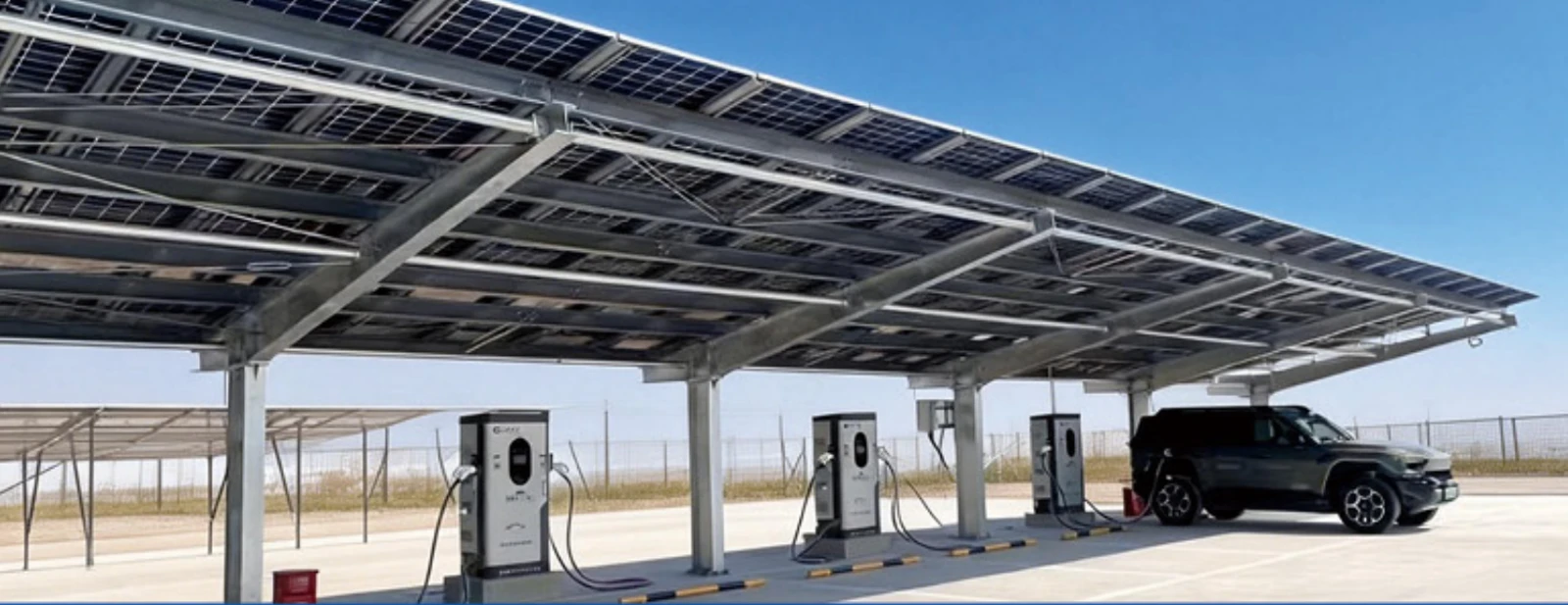
Coordinate solar generation, battery storage and site demand.
Review application & equipment ↗Match chargers and power distribution to vehicle operations.
Review application & equipment ↗Select home battery and inverter configurations around your loads.
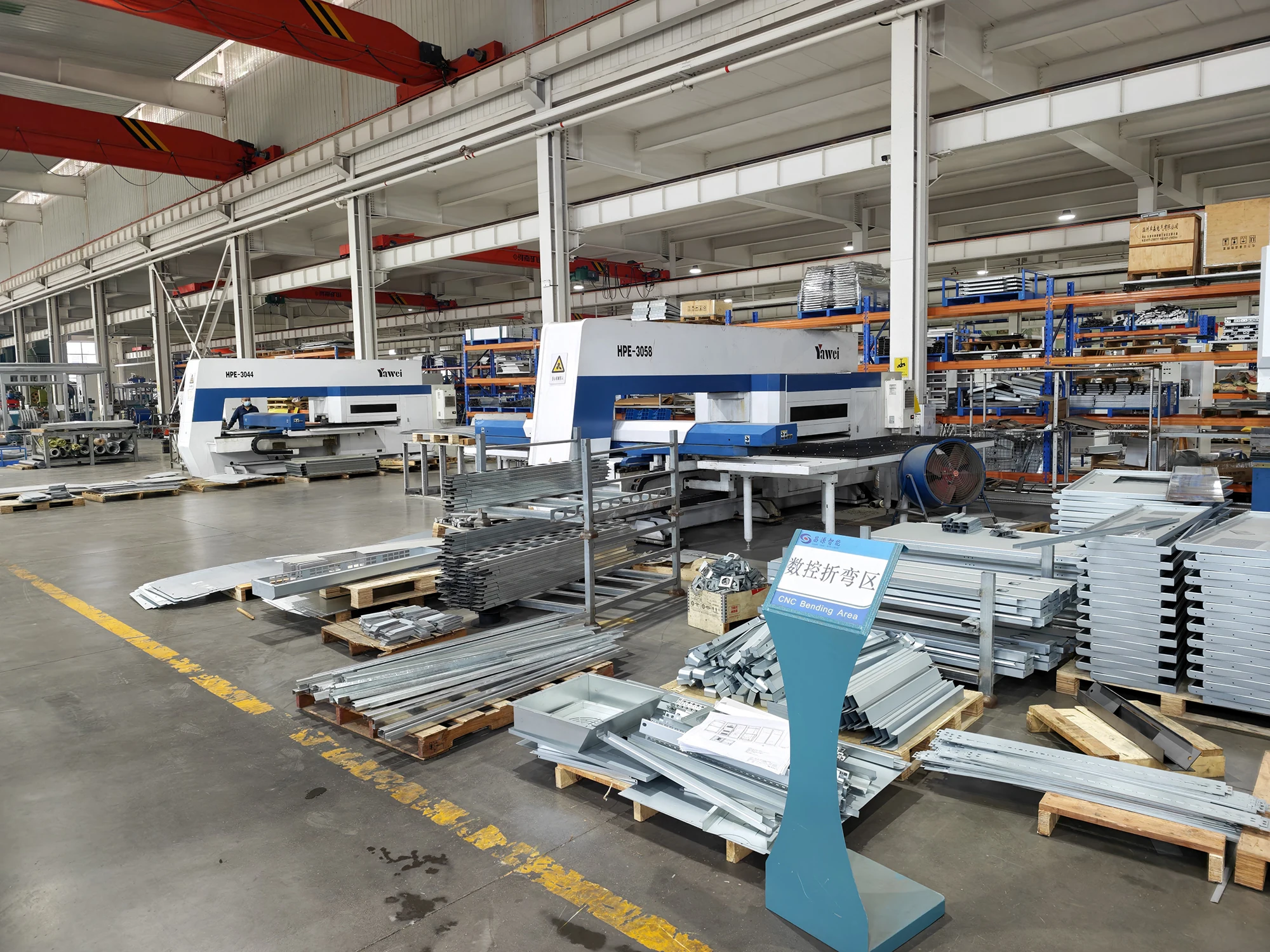
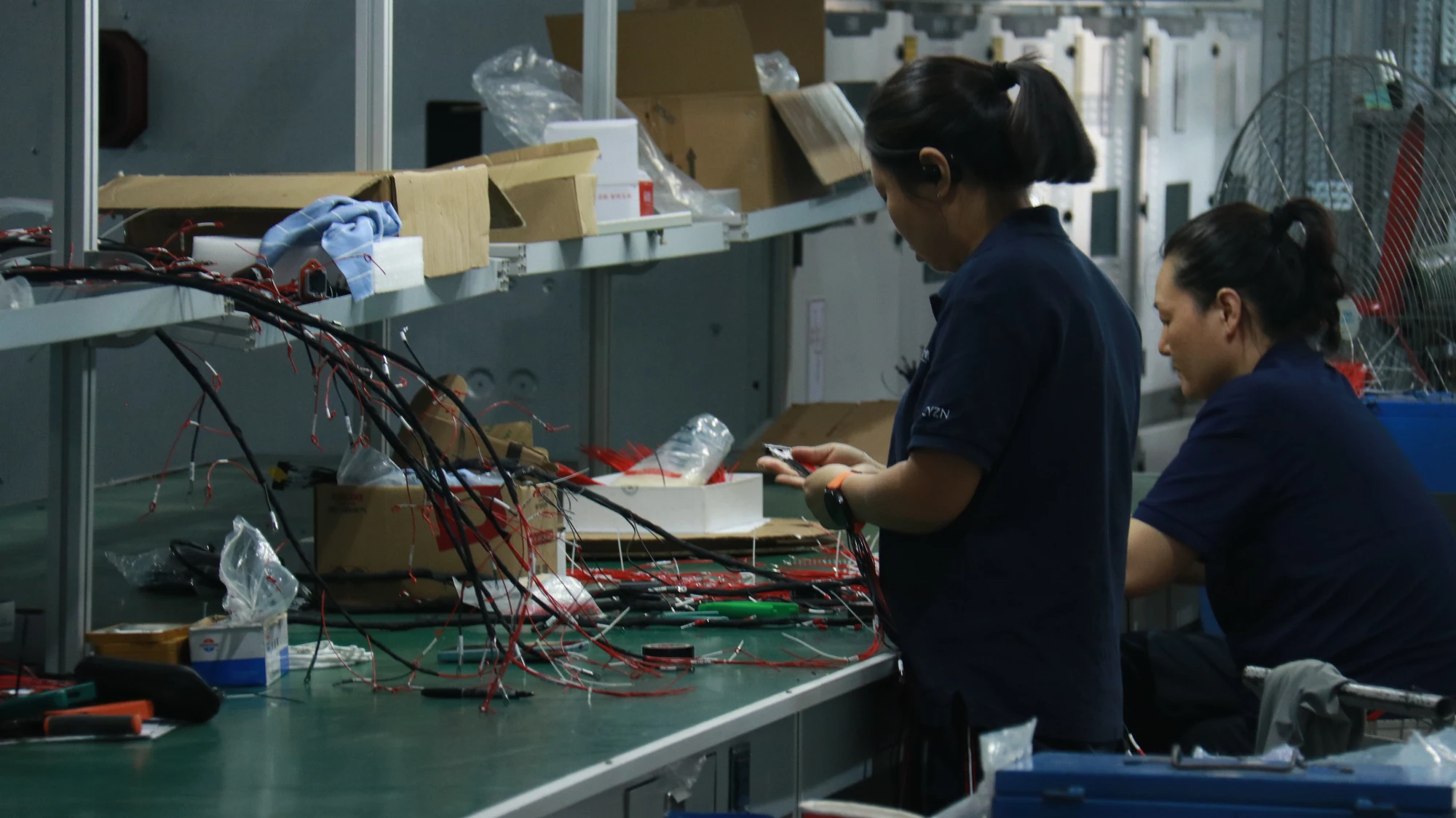
Review application & equipment ↗From metal fabrication to electrical assembly, explore the people, equipment and processes inside our Henan factory.

Henan Changyuan Electrical Equipment Co., Ltd. brings together enclosure fabrication, battery module assembly, charging equipment and switchgear assembly.
Step inside our factory ↗Company story & development →
THE PROCESS BEHIND THE PRODUCT ↗Explore the solar, storage and charging applications identified in Anyang, Baiyangdian and Linzhang.
All project references ↗
Shuiye Town, Yindu District, Anyang, Henan, China
Explore the project ↗
Baiyangdian service area, Hebei, China
Explore the project ↗
Linzhang County, Hebei, China
Explore the project ↗Practical guidance for decisions that matter.
Explore technical insights ↗Start with loads, operating priorities and the electrical connection.
Understand charger ratings before choosing a fleet configuration.
Bring module, inverter and battery requirements into the same scope.
Bring your site requirements and equipment interfaces into one brief before choosing a model.
Project planning and support →Share the project country, site type, load or vehicle demand and intended operating schedule.
Compare model ratings and confirm voltage, connectors, battery communication and installation conditions.
Identify equipment quantities, external accessories, required documents and installation responsibilities in the quotation.
Use the product categories when you know the equipment type. If you are combining solar, storage, charging and distribution, start with the application solution and prepare the site and load information.
They can be reviewed together, but compatibility must be established for the selected models. Voltage, power, communications, protection and operating modes need a coordinated system design.
Include the destination, application, required quantities, power or energy capacity, site voltage and installation conditions. Add vehicle, PV module, battery or inverter details where these determine compatibility.