
Evening energy use
Review household demand after solar production falls.
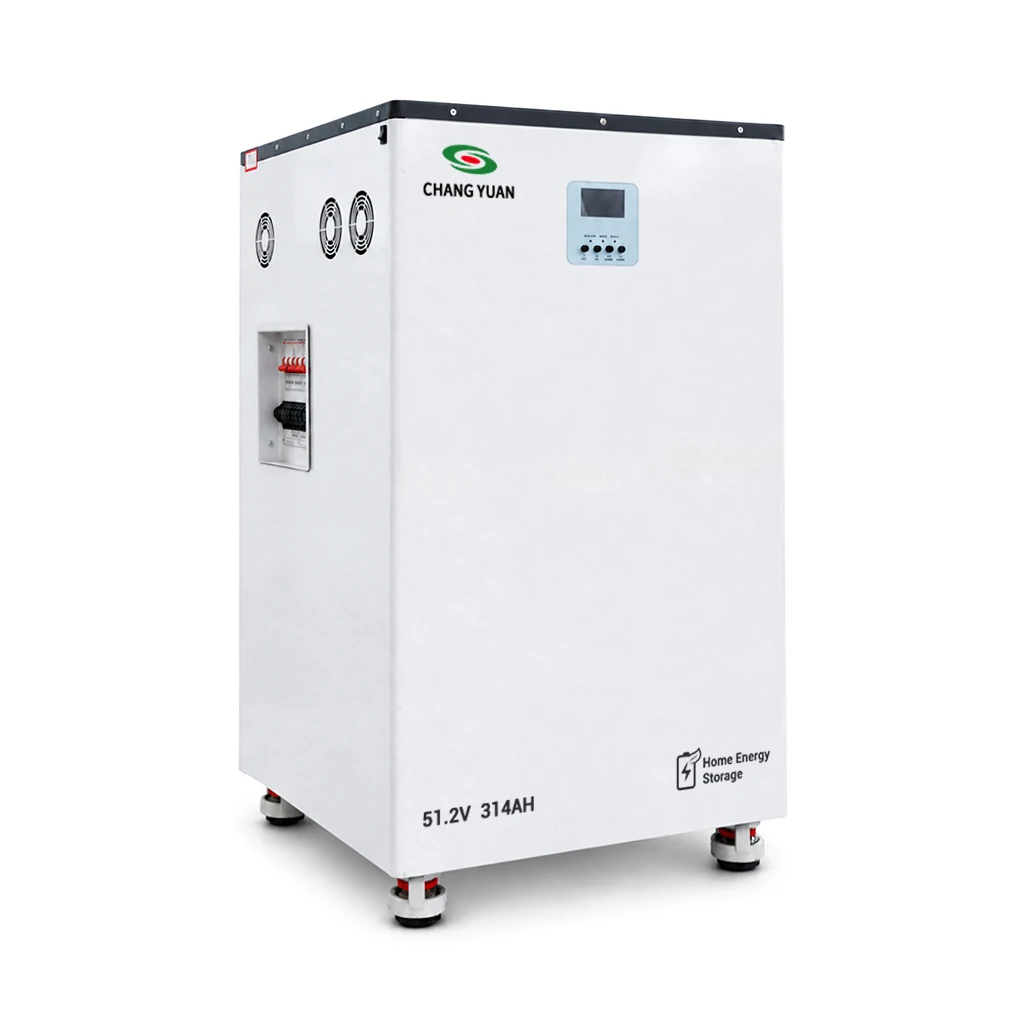
Solar and storage around the way you live.
Plan your project →Application imagery from the Changyuan equipment brochure.Review household demand after solar production falls.
Separate desired backup circuits from the whole-home connected load.
Check whether the existing PV and inverter can support the intended storage architecture.
Build the system around the household load and the circuits that need backup. Battery capacity, inverter output and available PV energy must be considered together.
A compatible system can coordinate PV, batteries and household loads. Grid export and backup switching depend on the model and the approved local installation.
Confirm the exact equipment list, control interfaces, electrical protection, installation responsibilities and commissioning scope. Benefits and operating modes depend on the final system design and site conditions.
These product references are starting points for discussion. They are not a pre-engineered, compatible bill of materials.
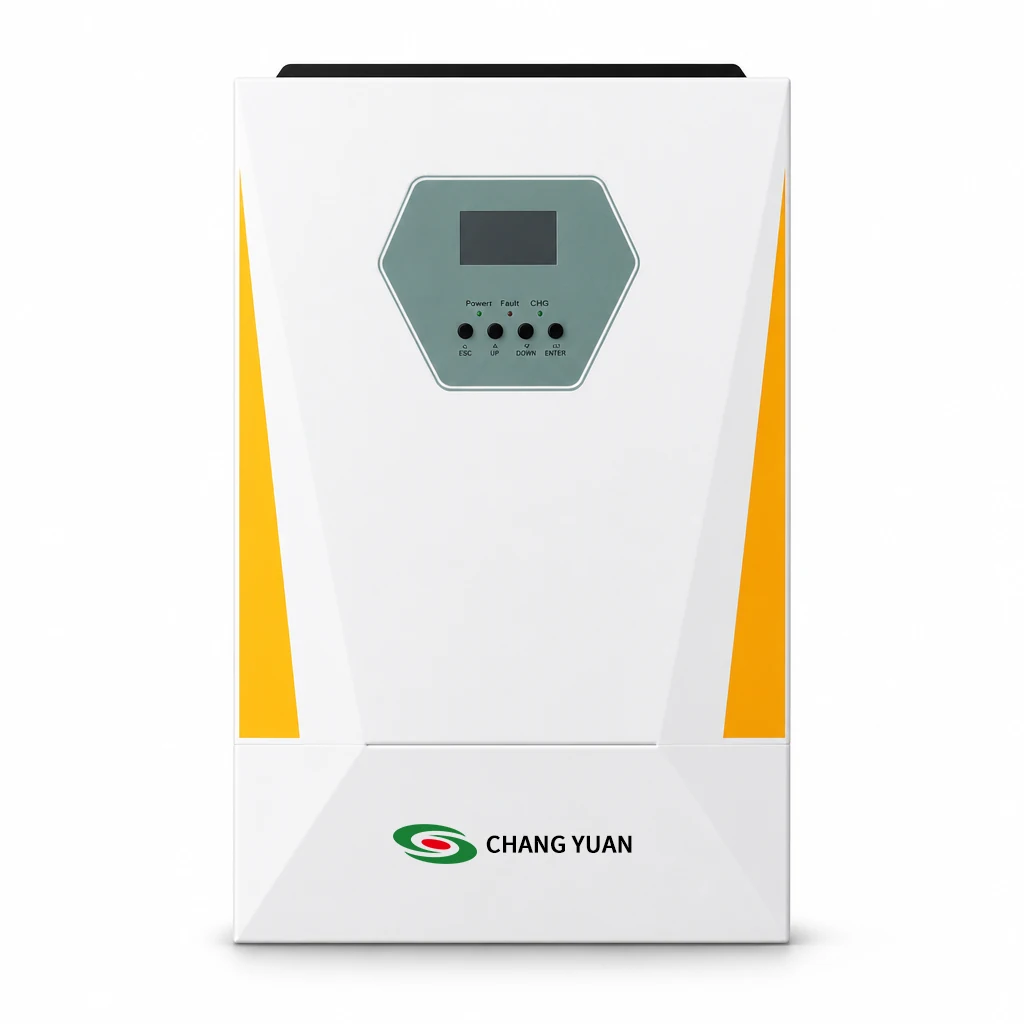
Review a 6.2kW solar inverter configuration with a 48V battery interface and dual MPPT. Match PV input limits, battery controls and AC output requirements before selecting the system.
Explore detailsMatch generation, household use and available installation space.
Plan supported circuits, motor starting power and the required duration.
Review compatible PV, inverter, battery and protection as one equipment scope.
Start with daily consumption, essential-load power, required duration and usable solar energy.
Transfer behavior depends on the inverter, switching equipment and wiring design. Confirm which circuits are supplied and the specified transfer characteristics.
A compatible system can supply selected loads from stored energy within its power, state-of-charge and operating limits.