
Short demand peaks
Review the difference between charging demand and available grid power.
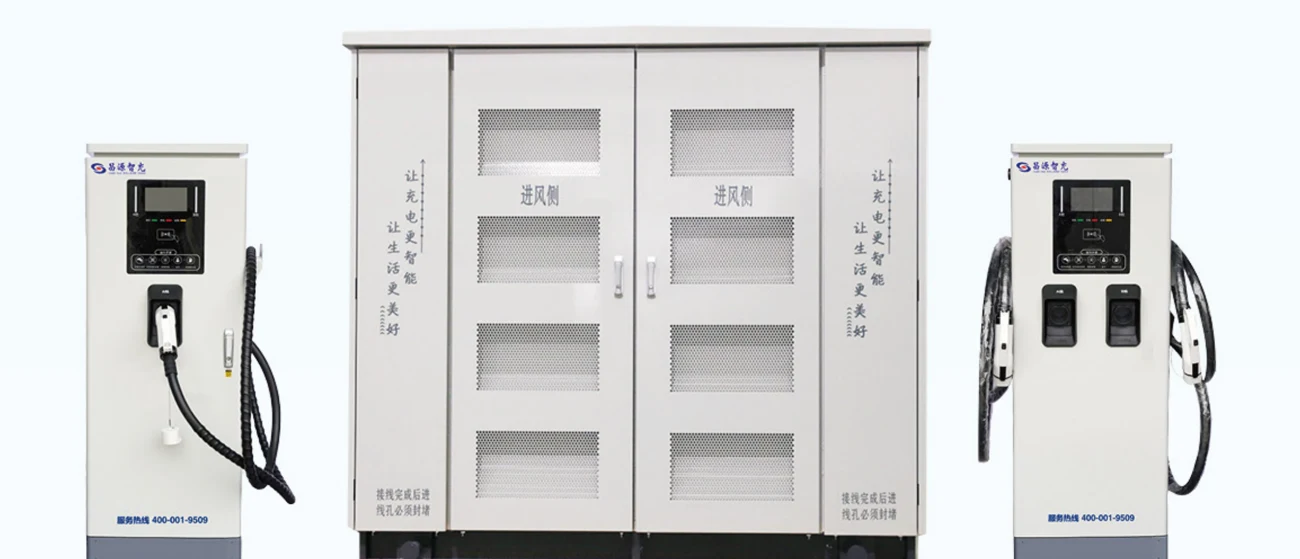
Assess charging peaks and grid capacity together.
Plan your project →Application imagery from the Changyuan equipment brochure.Review the difference between charging demand and available grid power.
Check whether the supply can replenish the battery between charging peaks.
Coordinate discharge limits, reserve, thermal behavior and recharge windows.
Where charging demand exceeds the available supply during short periods, a storage-supported charging architecture may be worth assessing. Feasibility depends on energy balance as well as peak power.
Storage may discharge to support charging loads, then recharge when demand is lower. It does not remove the need to assess daily energy supply, battery limits and electrical approvals.
Confirm the exact equipment list, control interfaces, electrical protection, installation responsibilities and commissioning scope. Benefits and operating modes depend on the final system design and site conditions.
These product references are starting points for discussion. They are not a pre-engineered, compatible bill of materials.
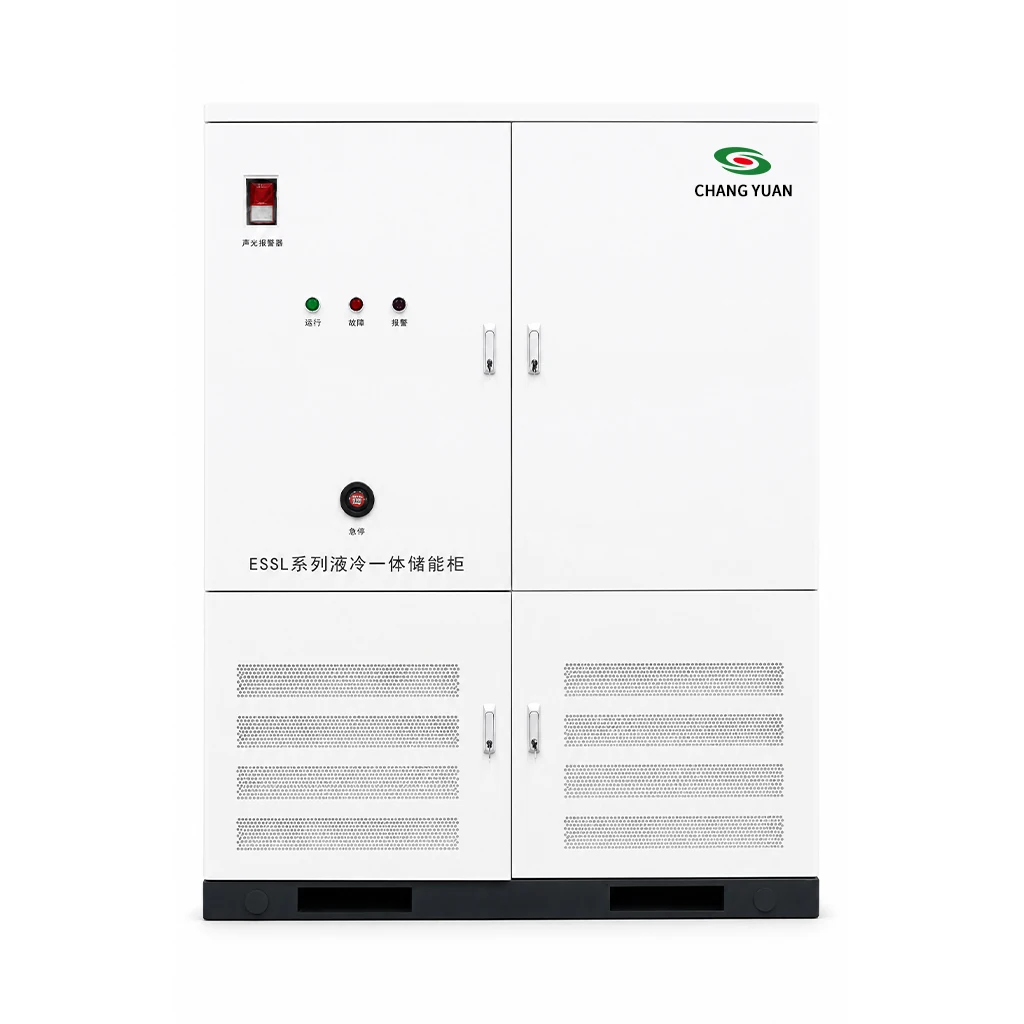
Liquid-cooled LFP battery storage for commercial solar self-consumption, scheduled charging and site energy management. Compare 100kW/215kWh, 125kW/261kWh and 250kW/522kWh configurations.
Explore detailsEvaluate peak support within the available daily energy budget.
Assess repeated charging peaks and the time between vehicle groups.
Review when solar energy is available relative to charging and storage demand.
Only a feasibility study can establish whether storage satisfies power and energy needs within the connection limits. It is not an automatic replacement.
Assess the power shortfall and its duration, recharge opportunities, usable capacity, losses and reserve requirements.
The complete electrical and control interfaces need confirmation, including EMS coordination, protection and metering.