
Peak demand
Identify when power demand peaks and whether storage can support the site within its limits.
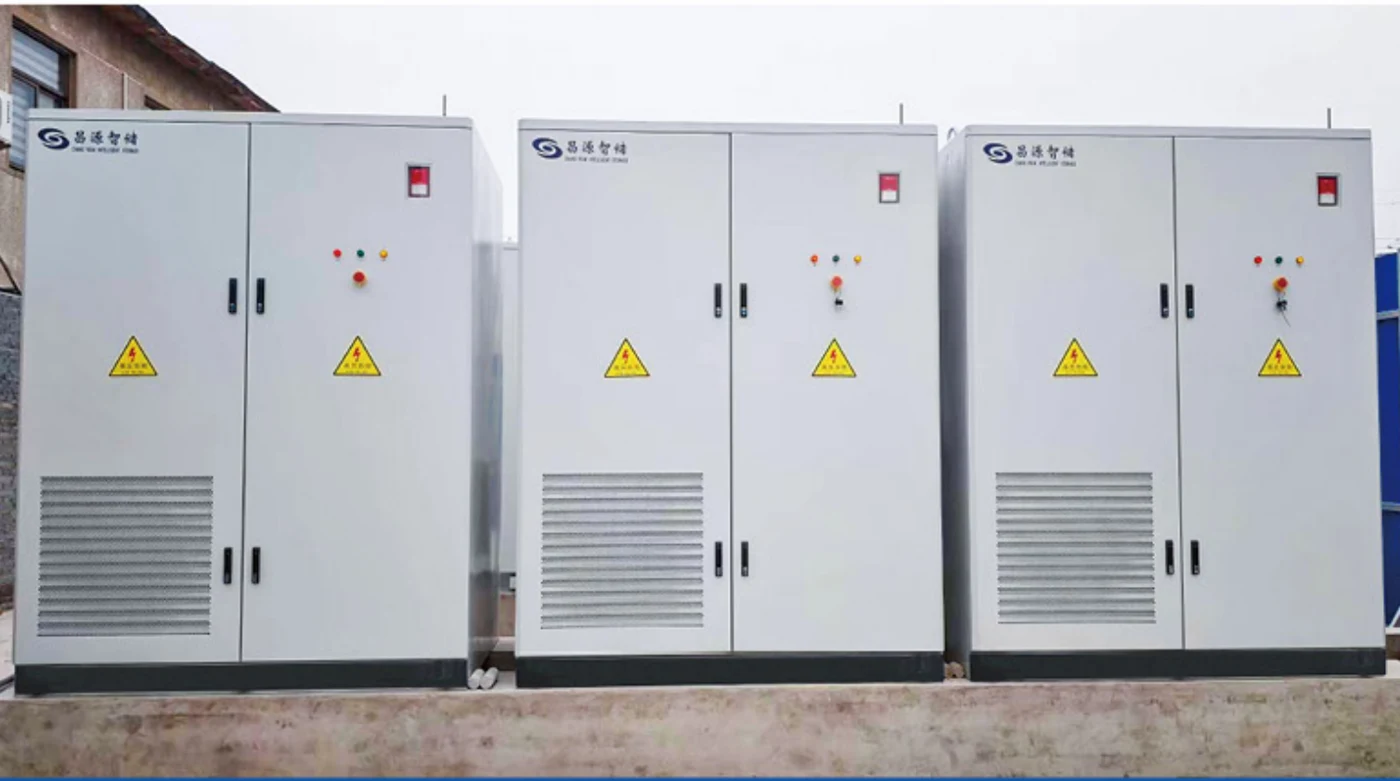
Smarter energy planning for your business.
Plan your project →Application imagery from the Changyuan equipment brochure.Identify when power demand peaks and whether storage can support the site within its limits.
Assess surplus PV and demand overlap before planning charge and discharge schedules.
Define selected loads, transfer requirements and reserve energy for an appropriate backup design.
Start with how the site uses electricity. A commercial solar-storage configuration connects PV, power conversion, batteries and control equipment around the load profile and grid conditions.
PV can supply site loads and charge batteries when the system is configured for that flow. Discharge schedules, backup functions and grid limits must be defined in the control strategy.
Confirm the exact equipment list, control interfaces, electrical protection, installation responsibilities and commissioning scope. Benefits and operating modes depend on the final system design and site conditions.
These product references are starting points for discussion. They are not a pre-engineered, compatible bill of materials.
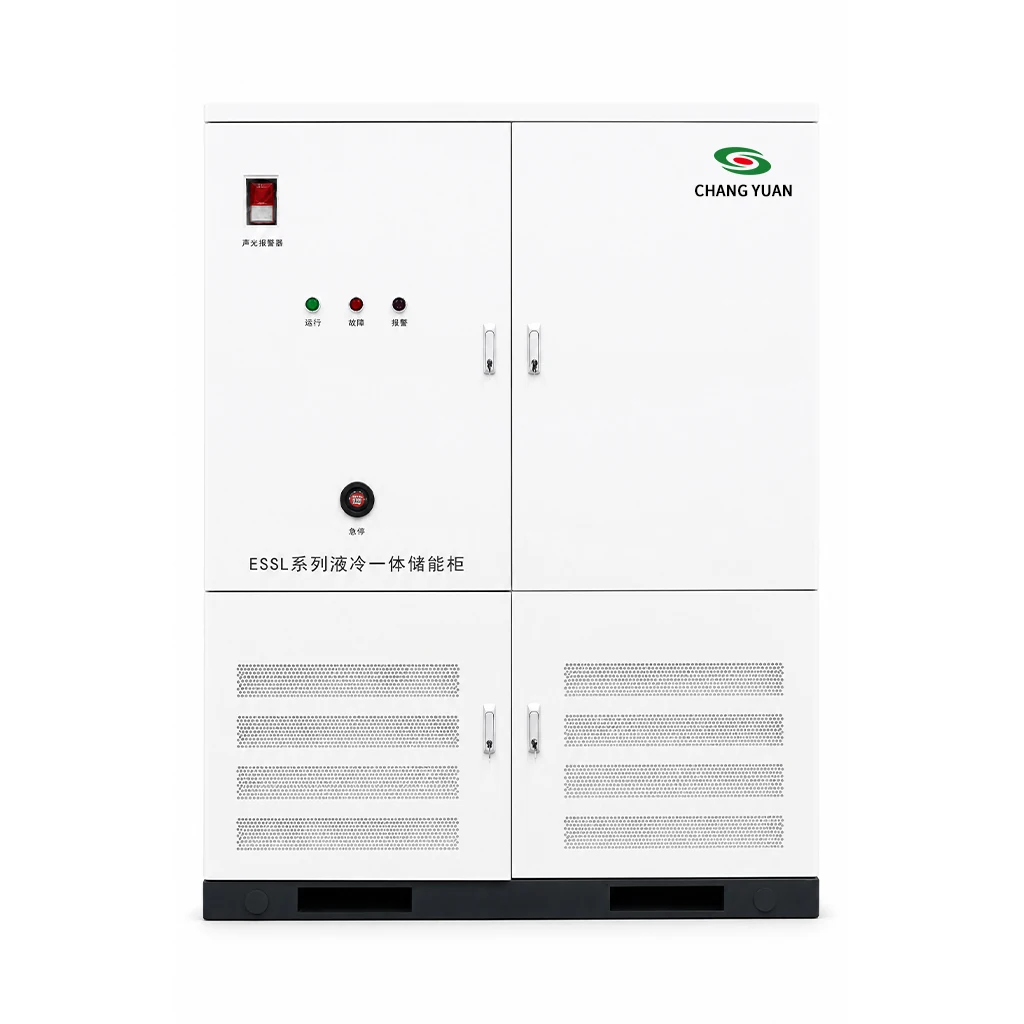
Liquid-cooled LFP battery storage for commercial solar self-consumption, scheduled charging and site energy management. Compare 100kW/215kWh, 125kW/261kWh and 250kW/522kWh configurations.
Explore detailsMatch storage to production shifts, motor loads and tariff periods.
Consider compressor starts, refrigeration duty cycles and operating continuity.
Review daily occupancy, HVAC demand and existing solar generation.
Provide interval demand, tariff information, PV generation, site voltage, critical loads and the intended operating schedule.
An estimate requires actual tariff and load data, conversion losses, battery operating limits and a defined control strategy. No generic saving is promised.
Yes, subject to an appropriate system design, connection approval, compatible interfaces and defined import/export limits.