In this article
Start with the refrigeration process
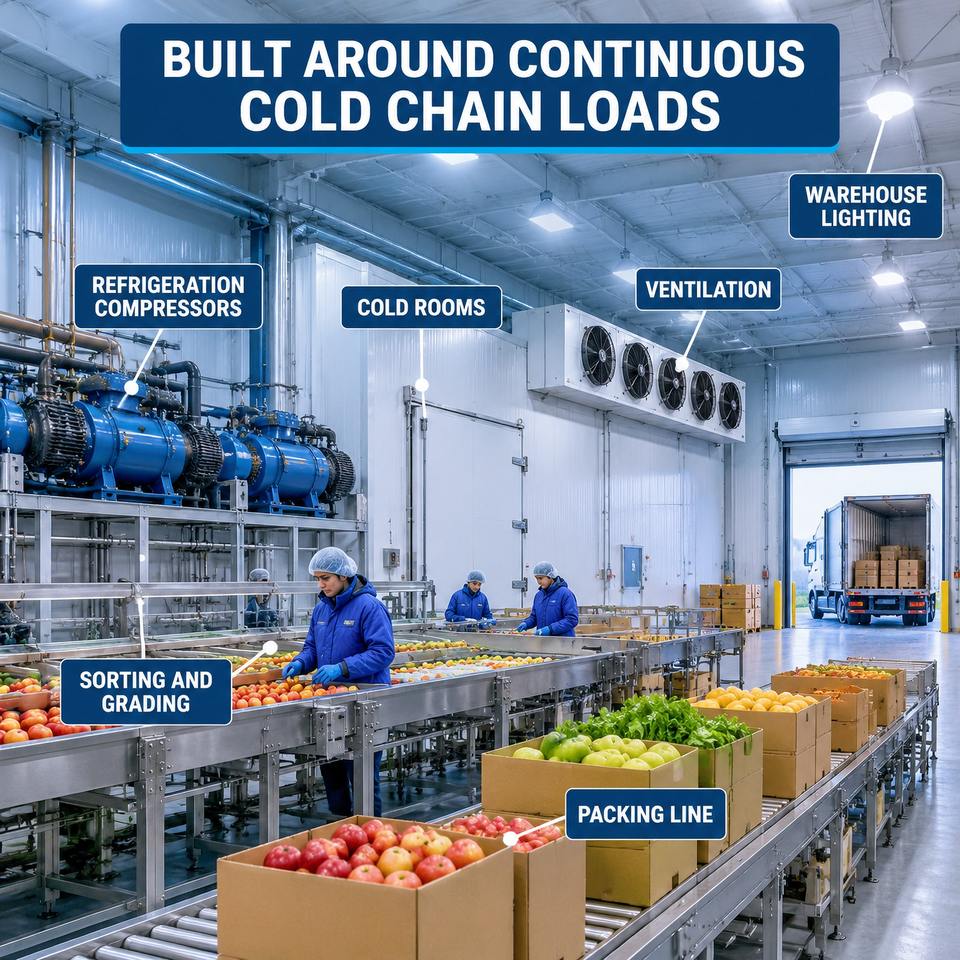
A cold-store energy project is more than a roof-area exercise. Refrigeration compressors, ventilation, lighting and sorting or packing loads can operate on different schedules. The first project brief should describe these circuits separately, with the operating priorities attached to each.
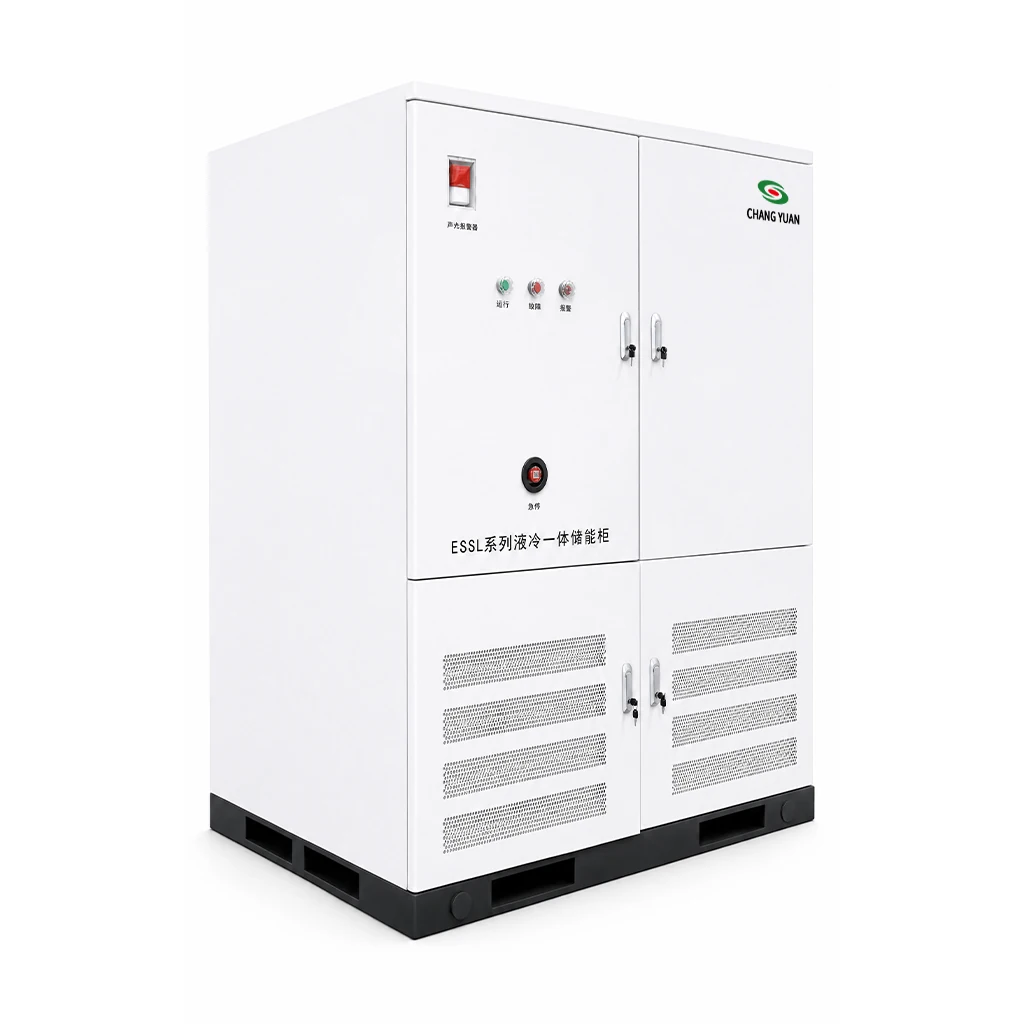
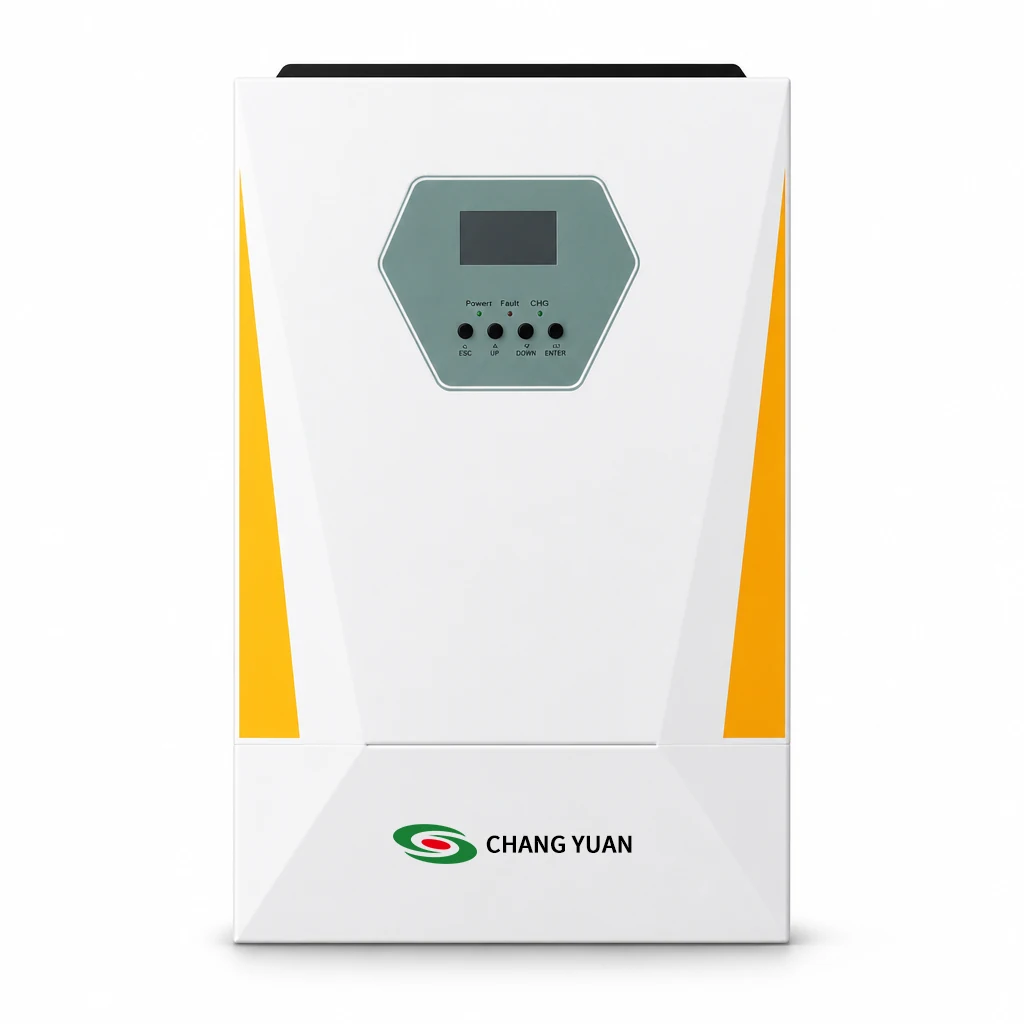
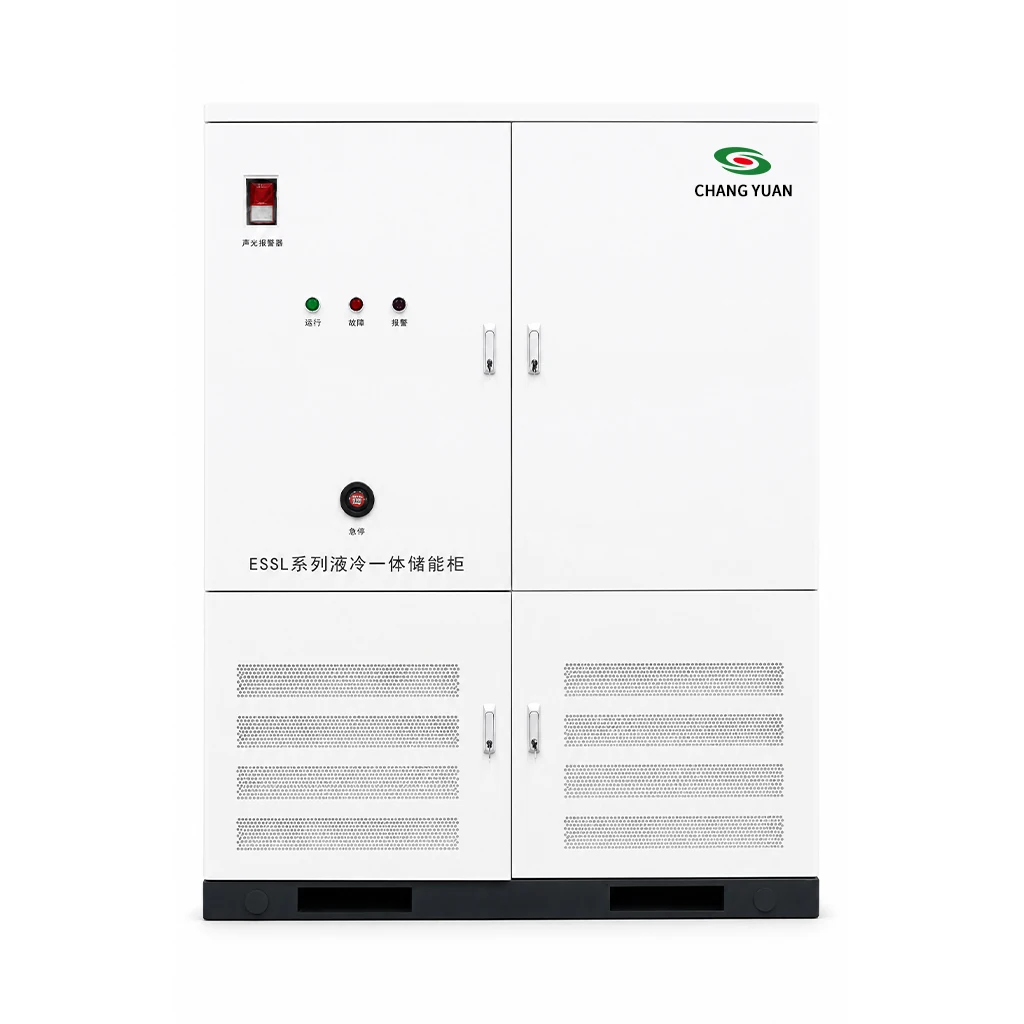
The CHANGYUAN storefront example lists approximately 2.5MWp of rooftop PV, 1MW / 2MWh storage and 100kW-class string inverters. Those figures illustrate one configuration. They do not establish the right size for another warehouse.
Prepare a useful load schedule
| Input | Why it matters |
|---|---|
| Interval electricity demand | Shows when energy is used and when demand peaks occur. |
| Compressor ratings and starting method | Supports assessment of power demand and starting behaviour. |
| Defrost and production schedule | Distinguishes routine refrigeration from intermittent process demand. |
| Essential-load list | Defines which circuits are considered for backup. |
| Allowable interruption | Informs transfer and control requirements; an ATS alone is not a UPS guarantee. |
Separate panel area from roof suitability
The source listing estimates 4,033 modules at 620Wp and about 11,292.4m² of module surface. Module surface is not the required roof area. Confirm structural loading, obstructions, access, fire setbacks and shading in the roof survey before accepting a preliminary array size.
Match battery energy to an operating objective
Define whether storage is intended for solar self-consumption, demand management or selected backup loads. Energy-to-power duration is only an initial sizing measure. Reserve, conversion losses and actual refrigeration demand change useful runtime. A refrigeration process with variable load should be assessed over time rather than treated as a single constant load.
Review switching and controls together
The published example refers to critical compressor distribution, ATS and warehouse EMS. A quotation should explain the essential-load boundary, available backup source, transfer logic and control interfaces. Ask how equipment behaves during grid loss, battery depletion and restoration. Any acceptable interruption must be assessed against the refrigeration equipment and operating process.
A practical quotation package
- Roof plan and structural information.
- Single-line diagram, grid and transformer details.
- Load data with refrigeration and process schedules.
- Backup objectives and acceptable interruption.
- Requested equipment and installation responsibilities.
Source and next step
CHANGYUAN supplier listing: cold-chain configuration example. See the detailed equipment and configuration page for the published example. The list is a planning aid, not an approved electrical design.
Frequently asked questions
Is this a completed customer project?
No completed-project record is supplied with this listing. It is presented here as a published example configuration.
Does 2MWh provide two hours of backup?
2MWh divided by 1MW is two hours on a nominal energy-to-power basis. Actual duration depends on usable energy, reserve, conversion losses and the time-varying load. It is not a backup-runtime guarantee.
Will the listed panel area fit my roof?
The listed area is estimated module surface, not the roof area required. A layout must account for shading, access, setbacks, obstructions and structural constraints.
Discuss your application.
Share your equipment scope, electrical supply and operating priorities.
Prepare an enquiry