Solar. Storage. Charging. Connected.Global project enquiries | English
Home/Products/Commercial & Industrial BESS/Solar and Battery Storage Systems for Cold-Chain Warehouses
Commercial & Industrial BESS

Solar and Battery Storage Systems for Cold-Chain Warehouses

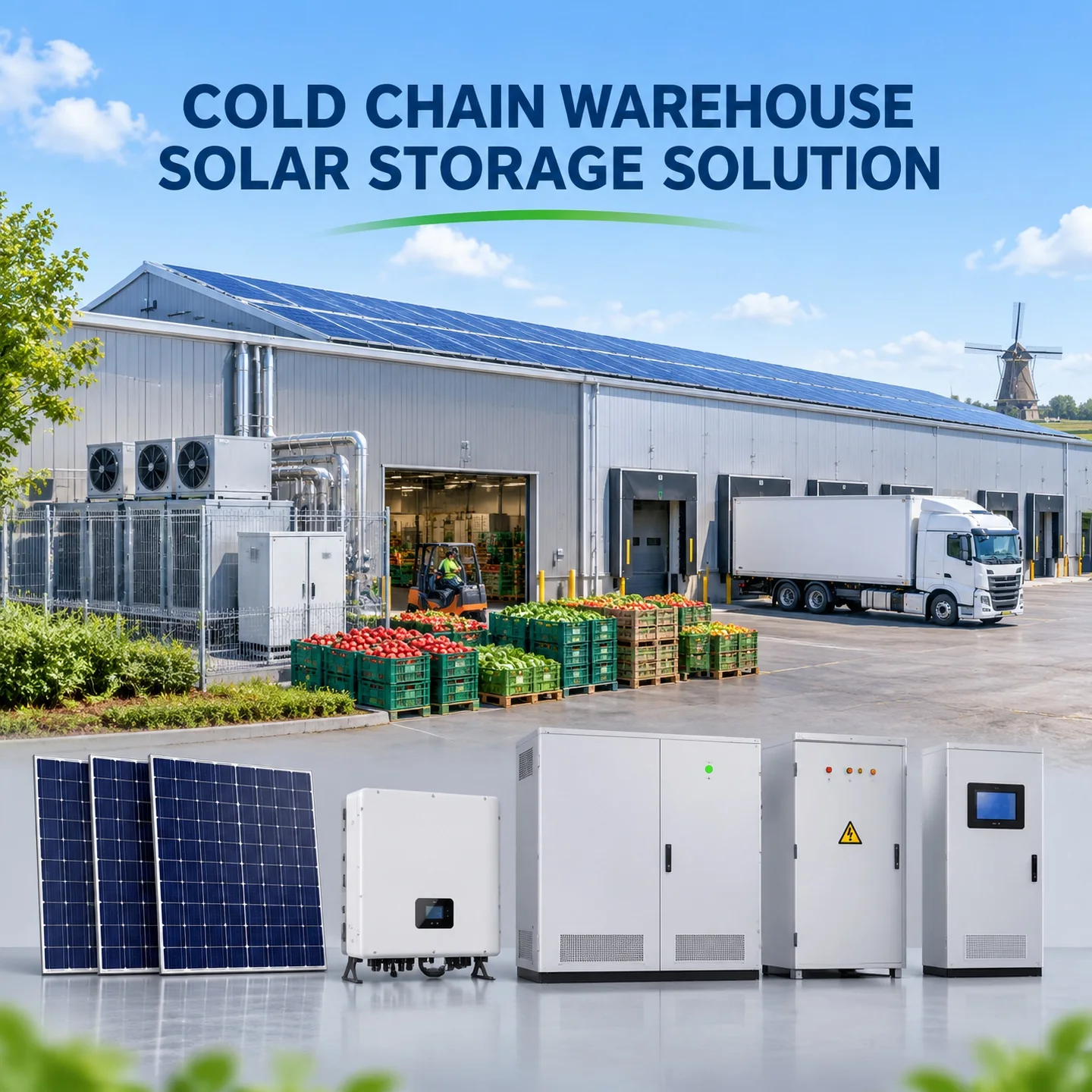
Coordinate rooftop solar, battery storage and warehouse electrical distribution around refrigeration demand. Review a 2.5MWp PV and 1MW/2MWh storage configuration as a starting point for site-specific selection.

Application
Cold chain & commercial facilities
Configuration
PV + power conversion + battery storage
Design basis
Project load profile and site conditions
Model-specific configurationProject selection support
PRODUCT OVERVIEW

Select the right product for your application.

Explore features, suitable applications, installation conditions and equipment interfaces before comparing the model specifications.

A cold-chain solar and storage system must follow the facility’s refrigeration duty and electrical constraints. The configuration below brings PV modules, string inverters, battery storage and site controls into one planning schedule. It describes an equipment configuration rather than a guaranteed energy yield or backup period.

01

Key features

  • Rooftop PV generation — Reference configuration uses approximately 2.5MWp of rooftop PV.
  • 1MW / 2MWh storage — Battery power and energy are stated separately for load coordination.
  • Distributed PV conversion — 100kW-class string inverters support a zoned array arrangement.
  • Cold-chain load review — Refrigeration duty, compressor starting demand and priority loads guide the design.
02

Where this product fits

  • Refrigerated warehouses reviewing rooftop solar and daily energy consumption.
  • Cold-storage facilities coordinating PV generation with compressor duty cycles.
  • Commercial sites combining refrigeration, storage and vehicle charging loads.
03

How to select the right configuration

Collect interval demand, refrigeration operating hours, compressor starting characteristics and roof drawings. Separate essential refrigeration circuits from other loads. Size PV around the usable installation area and generation profile, and storage around power demand and the intended operating window.

04

Installation and site requirements

Review roof loading and mounting design, inverter locations, battery placement, access and cable routes. Confirm the point of connection, transformer rating, protection scheme and metering. Refrigeration supply continuity and switching sequences need a coordinated electrical design.

05

Equipment compatibility

Match module strings to the chosen PV inverter inputs and coordinate PCS, EMS and metering. Identify the functions of any ATS and backup circuits. Solar generation and battery discharge must follow the facility connection and operating requirements.

06

Equipment and delivery scope

Agree module and inverter models and quantities, battery and PCS ratings, EMS, protection and switching in a bill of materials. Distinguish equipment supply from mounting, cabling, installation, utility approval and commissioning services.

CONFIGURATION & SPECIFICATIONS

System components and model specifications.

Compare the available ratings and configurations. Confirm electrical interfaces, installation requirements and the equipment schedule for your site.

Discuss your configuration →

Start with refrigeration load data and the roof plan. Confirm string design, battery duty, PCS and ATS functions, protection coordination and the required essential-load boundary.

01

PV subsystem

Module layout, strings, inverter selection and AC connection.

02

Storage subsystem

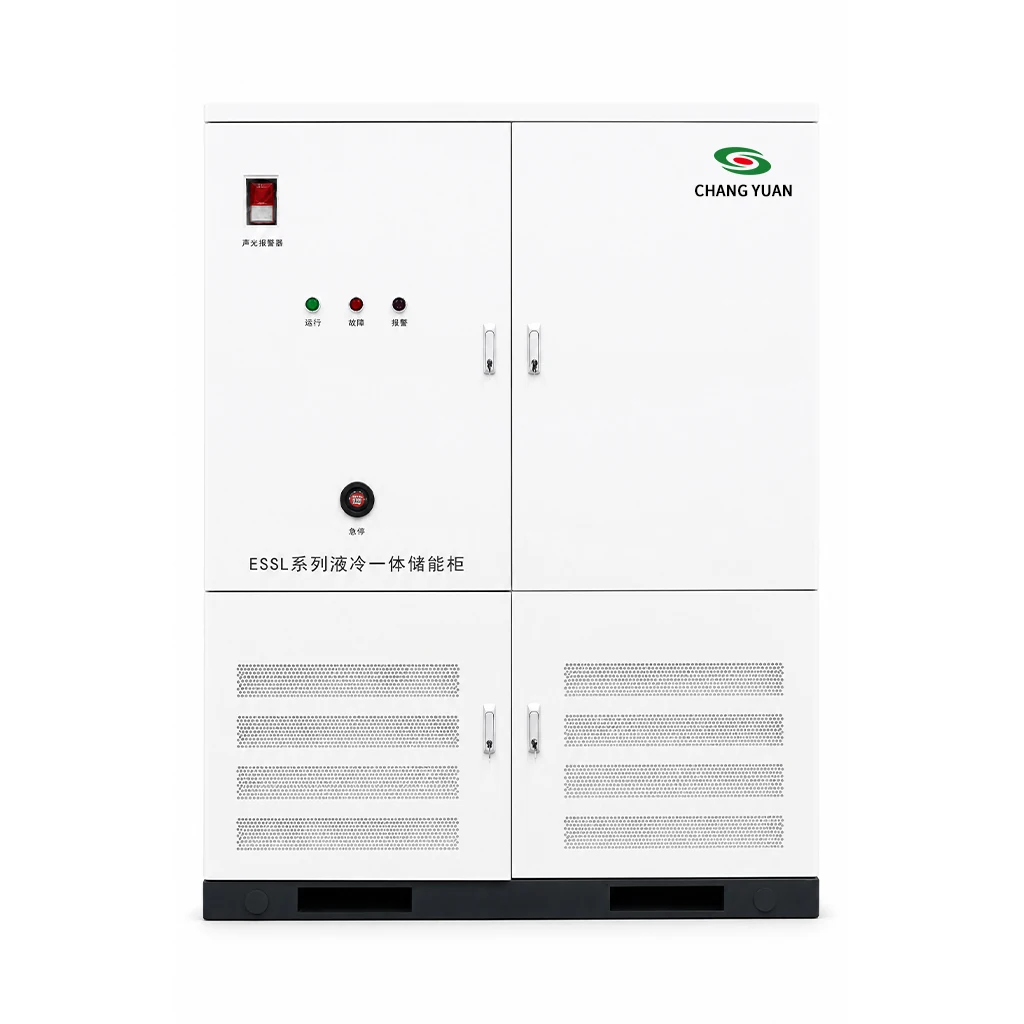
1MW / 2MWh reference sizing, PCS and thermal management.

03

Site controls

EMS, metering, refrigeration priorities and approved switching sequence.

TECHNICAL SPECIFICATIONS

Model-by-model specifications.

Select a model to review its electrical, control and installation data. Values apply to the named configuration.

Cold-chain PV + ESS

PV generation

Configuration referenceSHUGUOCANGKU
PV capacityApprox. 2.5MWp
Reference module ratingApprox. 620Wp
Estimated module countApprox. 4,033
Estimated module surfaceApprox. 11,292.4m²; excludes access, setbacks and unusable roof area
PV installationRooftop PV

Power conversion & storage

PV inverter typeString inverter
Inverter rating / count100kW class; approx. 21 units
Battery power1.0MW
Nominal battery energy2MWh
Battery chemistry / coolingLiquid-cooled LFP
ATS1 set; rating and switching sequence selected for the project

Integration

Energy controlsWarehouse EMS and site load coordination
ScopePV, storage, power conversion, protection and switching selected to the site design
Sizing statusReference configuration; final equipment quantities follow the technical proposal
Quick configuration comparison
COMPARE CONFIGURATIONS

Models & specification options

Choose a configuration as the starting point for your enquiry. Values in each row apply to that configuration; ranges indicate model options.

ConfigurationSolar generationStorage / conversionProject selectionEnquiry
Commercial PV + ESS packagePV modules selected for available space and energy demandBattery energy, PCS power and EMS selected for the loadConfirm site plan, load profile, operating mode and equipment scheduleSelect configuration →

Final model, options, supply scope and destination-specific documentation are confirmed in the technical quotation. Request model documentation →

SELECTION RESOURCES

Plan the equipment around your project.

Use the related guidance to prepare a clear equipment schedule and review the configuration with your project team.

RELATED PROJECT APPLICATIONS

See the equipment in context.

Explore project references →

Explore documented applications related to this product category. Selected equipment models and project scope are described on each project page.

PRODUCT QUESTIONS

Details that help you decide.

Answers about model selection, equipment options and the scope of your order.

Frequently asked questions

Is the listed configuration suitable for every warehouse?

No. The approximately 2.5MWp PV and 1MW/2MWh storage schedule is a configuration reference. Actual sizing depends on roof conditions, refrigeration demand and the grid connection.

Will 2MWh keep all refrigeration running for two hours?

That cannot be assumed. Runtime depends on usable battery energy, actual refrigeration load, conversion losses and the selected operating limits. Starting and simultaneous loads must also be checked.

Can an existing refrigeration system be retained?

Review its supply arrangement, starting demand, protection and controls before integration. Existing equipment details are needed to define a compatible connection and switching plan.

What drawings should I send?

Provide the roof and site plan, electrical single-line diagram, transformer and switchboard data, refrigeration load schedule and available interval consumption records.

PRODUCT ENQUIRY

Plan your equipment configuration.

Tell us the project country, power or capacity requirement and intended application. Add the installation conditions and compatible equipment where available.

Solar and Battery Storage Systems for Cold-Chain Warehouses

Coordinate rooftop solar, battery storage and warehouse electrical distribution around refrigeration demand. Review a 2.5MWp PV and 1MW/2MWh storage configuration as a starting point for site-specific selection.

You can prepare and download your project brief. Enquiry delivery is not configured, so no information will be sent.

Only share information relevant to this enquiry. See our privacy notice.

LET'S BUILD YOUR ENERGY SYSTEM

Start with your project.
Find the right configuration.

Discuss your application